
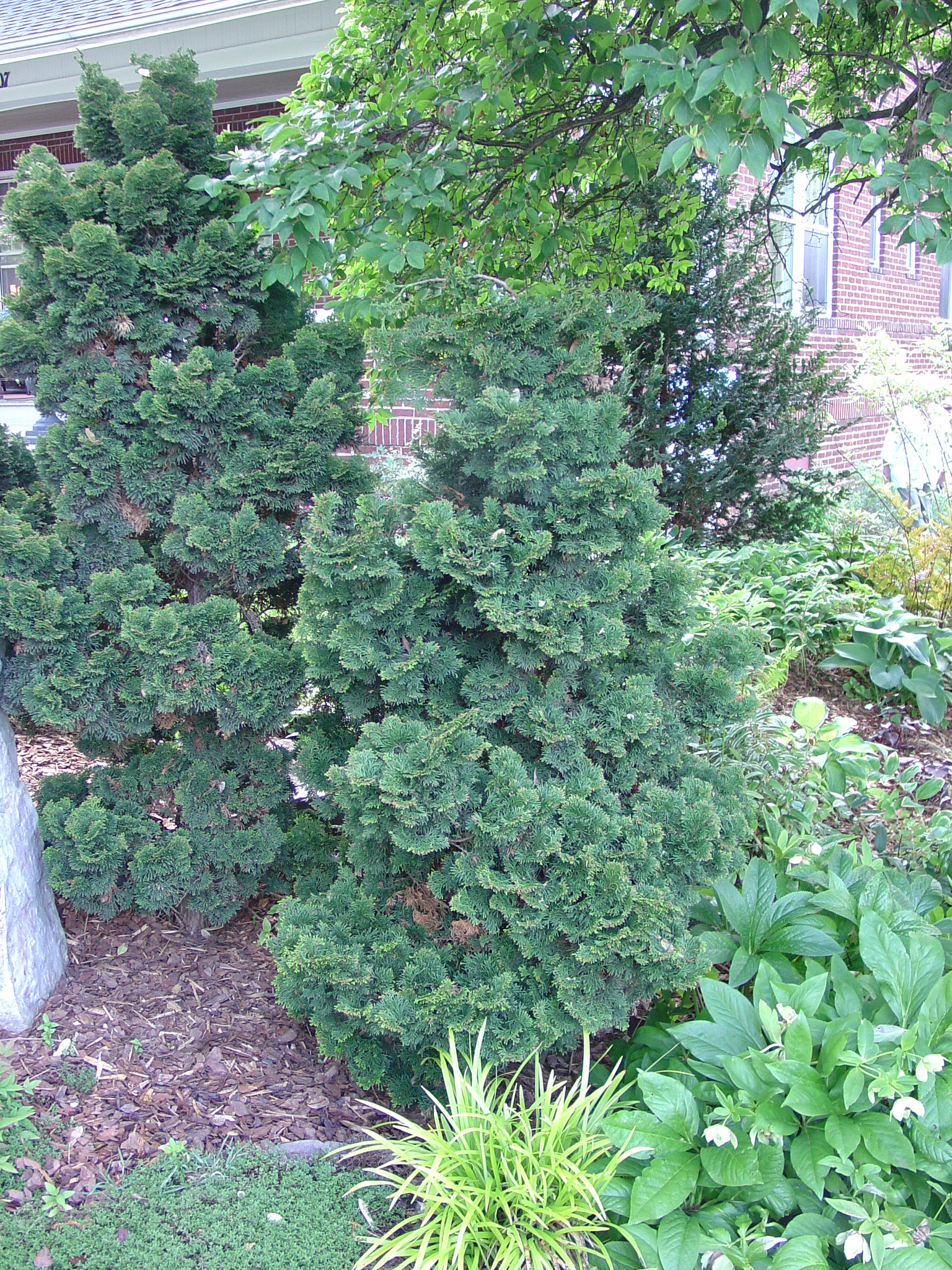
Moderate growing Hinoki Cypress not pricey
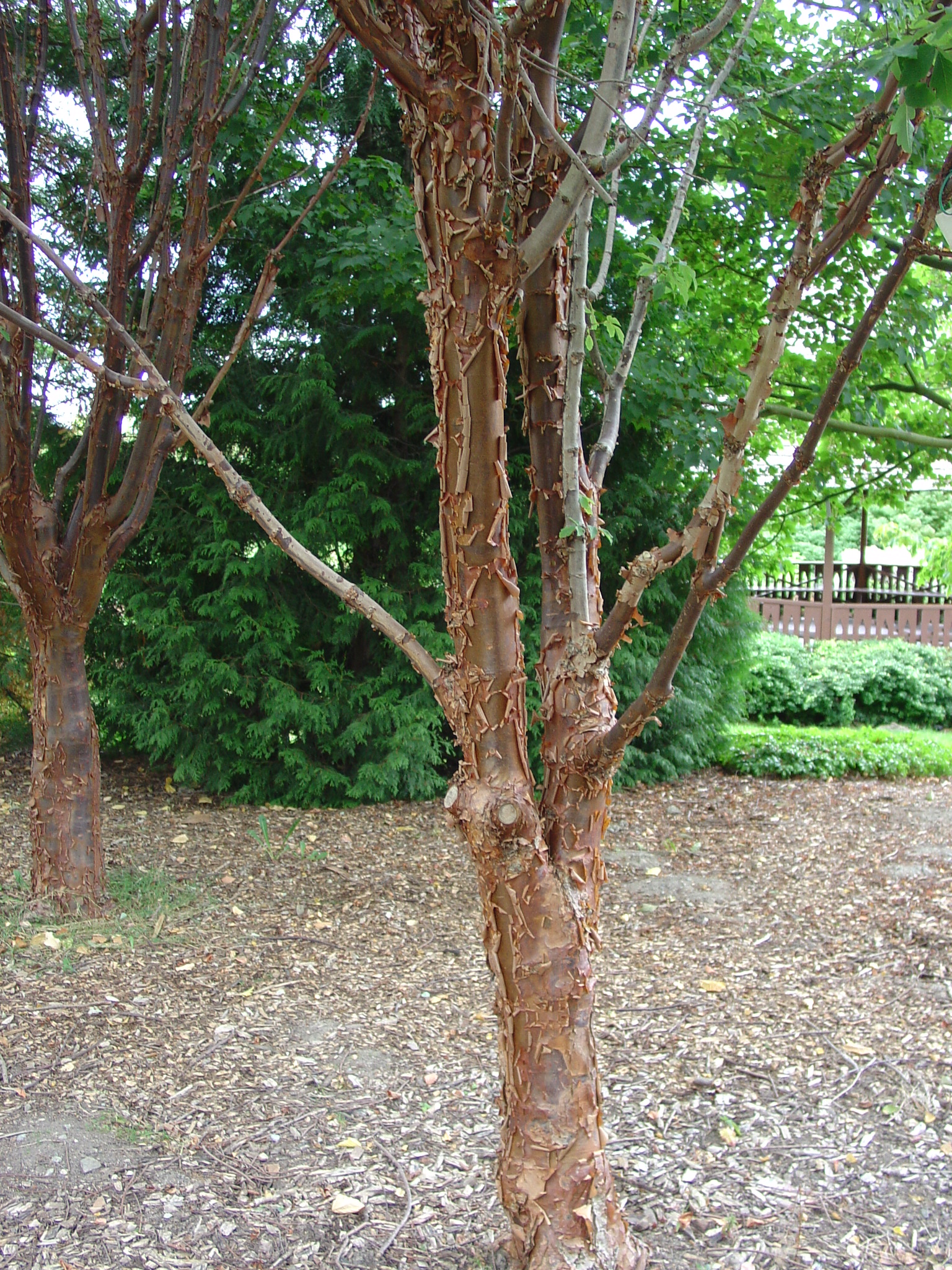
Costly, Slow-growing, and Hard To Propagate Paperbark Maple
I overheard a customer complain about the “outrageous” prices for plants, particularly the newly introduced ones. Here is some of the whys:
Certain plants are difficult to reproduce. Occasionally, stores may stock some expensive items like paperbark maple (Acer griseum) and fringetree (Chionanthus virginicus). These two plants are difficult to propagate, slow growing, and demand will overshadows supply. Both will find a customer.
Some plants are slow growing. Some dwarf hinoki cypress (Chamaecyparis obtusa ‘Nana’) sell at two price points. Some cultivars are faster growing and lower priced compared to very dwarf types that may be 3-4 times more expensive. Slow dwarf grower will likely never outgrow its garden space or rarely need pruning maintenance.
Is the plant cultivar branded. Some examples:
- Roses that are part of the Knockout, Home Run, Meidiland, Oso Easy, or Easy Care programs
- Reblooming Evergreen Azaleas -Encore®, Bloom-A-Thon®,
- Mophead (Hortensia) hydrangeas are part of Endless Summer, Let’s Dance® or Cityline® series.
Large nurseries tend to brand the plants they sell, such as Monrovia, Proven Winners (PW), HGTV Gardens, Green Leaf, Gardeners Confidence, Plants That Work, Iselei, and many others.
New daylilies, hybrid lenten roses (Helleborus x) and hostas are very expensive the first 5-7 years after introduction. Prices come down as inventory numbers increase. In the 16th century Tulipmania created such a craze for tulips; they became more expensive than gold. In the 1990’s ‘Black Magic elephant ears (Colocasia) tubers were very costly because supply was low. Within 3 years, prices had dropped.
Is the plant trademarked or patented? Plant royalties to the breeder range from a few cents to several dollars. Heritage™ river birch and Double Red Knockout® rose are examples of trademarked or patented plants.
Price mark ups at garden centers range from 100-300%. Most items that we purchase, such as clothing, appliances, electronics, are marked up 200% or more. A sweater, bathing suit, or lawn mower enjoys a relatively long sales window. Most live plants have a short or limited shelf life.

New patented hydrangea
 Posted in


