
A number of U.S. states have designated the Bradford Pear (Pyrus calleryana) as an invasive tree species. This once popular small to medium-sized tree blooms in mid- to late-March. Introduced by the USDA in the 1960’s, following extensive 40+ year breeding trials, it became extremely popular across the country. Note that Callery pear is actually the cultivar ‘Bradford’ and several other varieties listed below.
Callery pears are native to East Asia, including China and Vietnam, and are a part of the Rose (Rosaceae) family. They were introduced into the nursery/garden center trade beginning in the 1960’s and highly promoted. On the plus side, callery pears are reliable spring bloomers, have few disease or insect problems, and are adaptable to a wide range of soil and environmental conditions.
As the tree’s popularly began to soar, numerous wild seedling trees escaped into the highways and byways across the country. Seeds from the fruits are spread by wildlife into woodlands. pastures, and neighborhoods. The chief concern is that non-native plants are self-sowing in the larger ecosystem. Eventually, callery pears are successfully competing and displacing the native flora and fauna. Another negative is the tree’s floral fragrance is highly unpleasant.
Tree branching proved to be highly brittle. Limb breakage in ice and windstorms is bad and often requires removal of the tree. Specific cultivars with upright branching such as ‘Bradford’, ‘Capital’, ‘Whitespire’, and ‘Redspire’ are not a long-lived tree, rarely lasting more than 20-25 years. Wide-branching clones like ‘Aristocrat’ and ‘Chanticleer’ (‘Cleveland Select’ is the same) have a longer tree life expectancy.
Although Bradford pear flowers had been rated to be sterile, this wasn’t exactly accurate. Bradford pears are self-incompatible, meaning ‘Bradford’ pears are unable to pollinate other ‘Bradford’ pears flowers, but do pollinate other callery pear varieties. Birds or other animals eat these fruits and spread the seeds many miles. The chief concern is that non-native plants are successfully self-sowing in the larger ecosystem, competing and displacing the native flora and fauna.
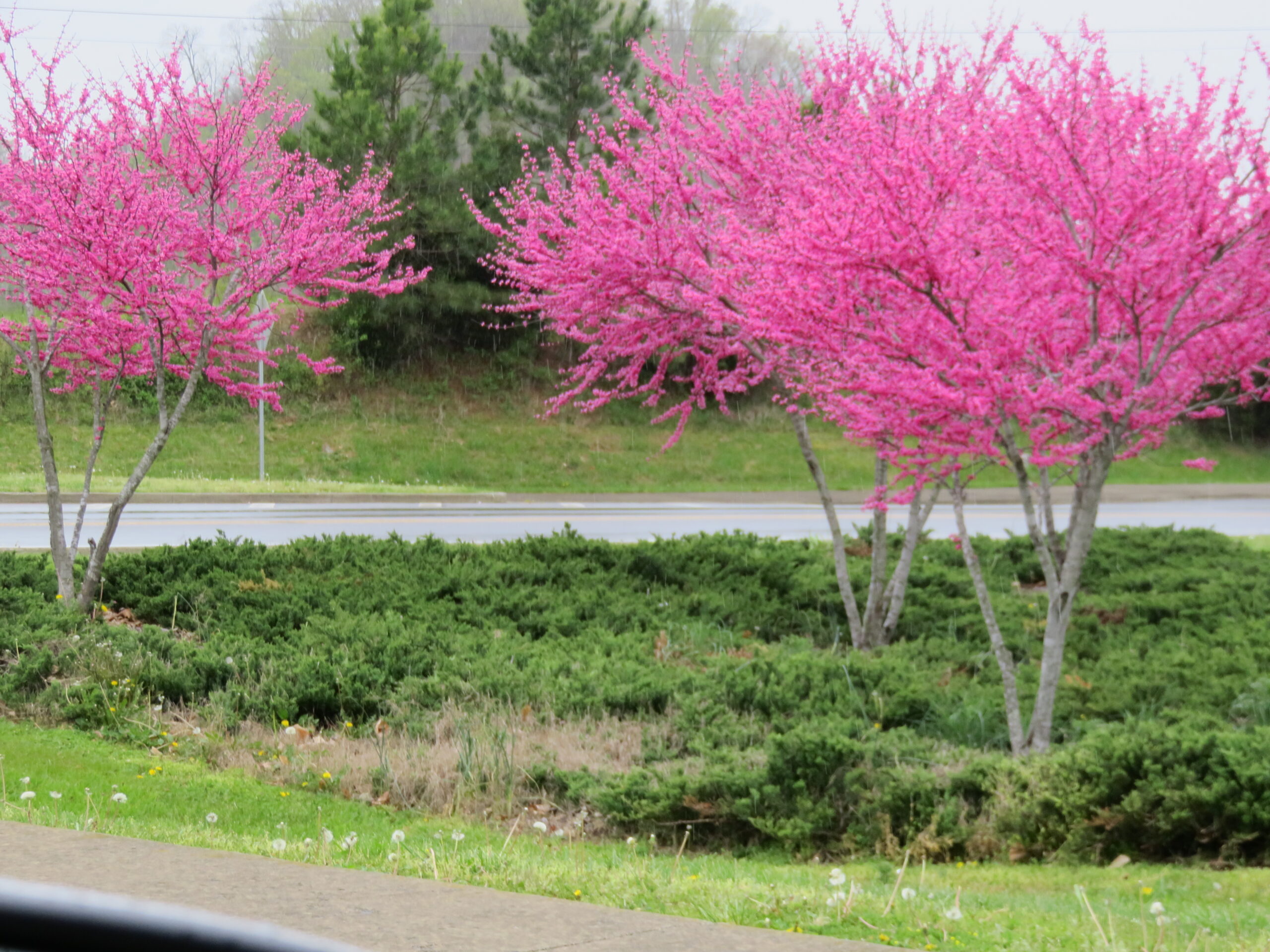
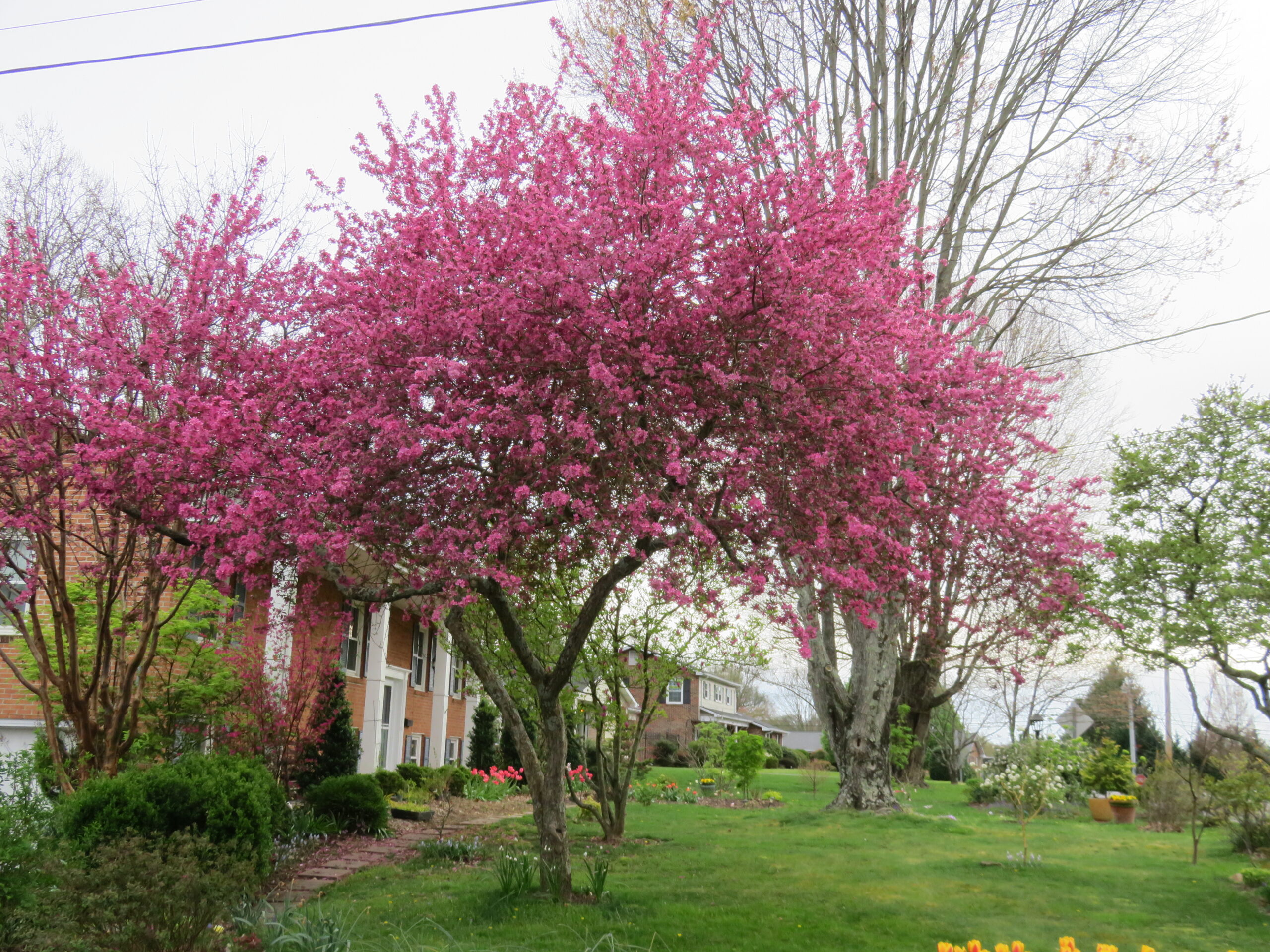
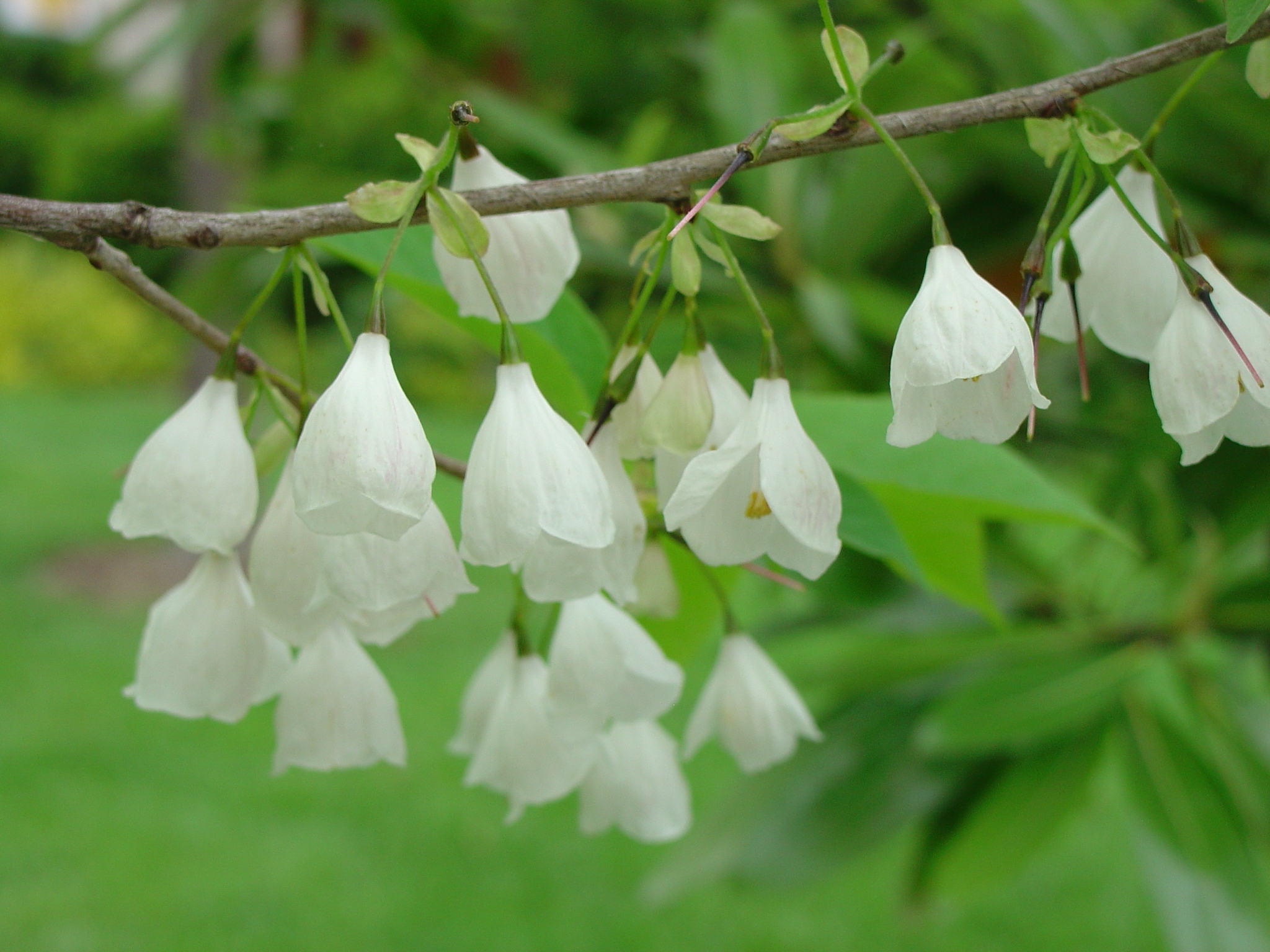
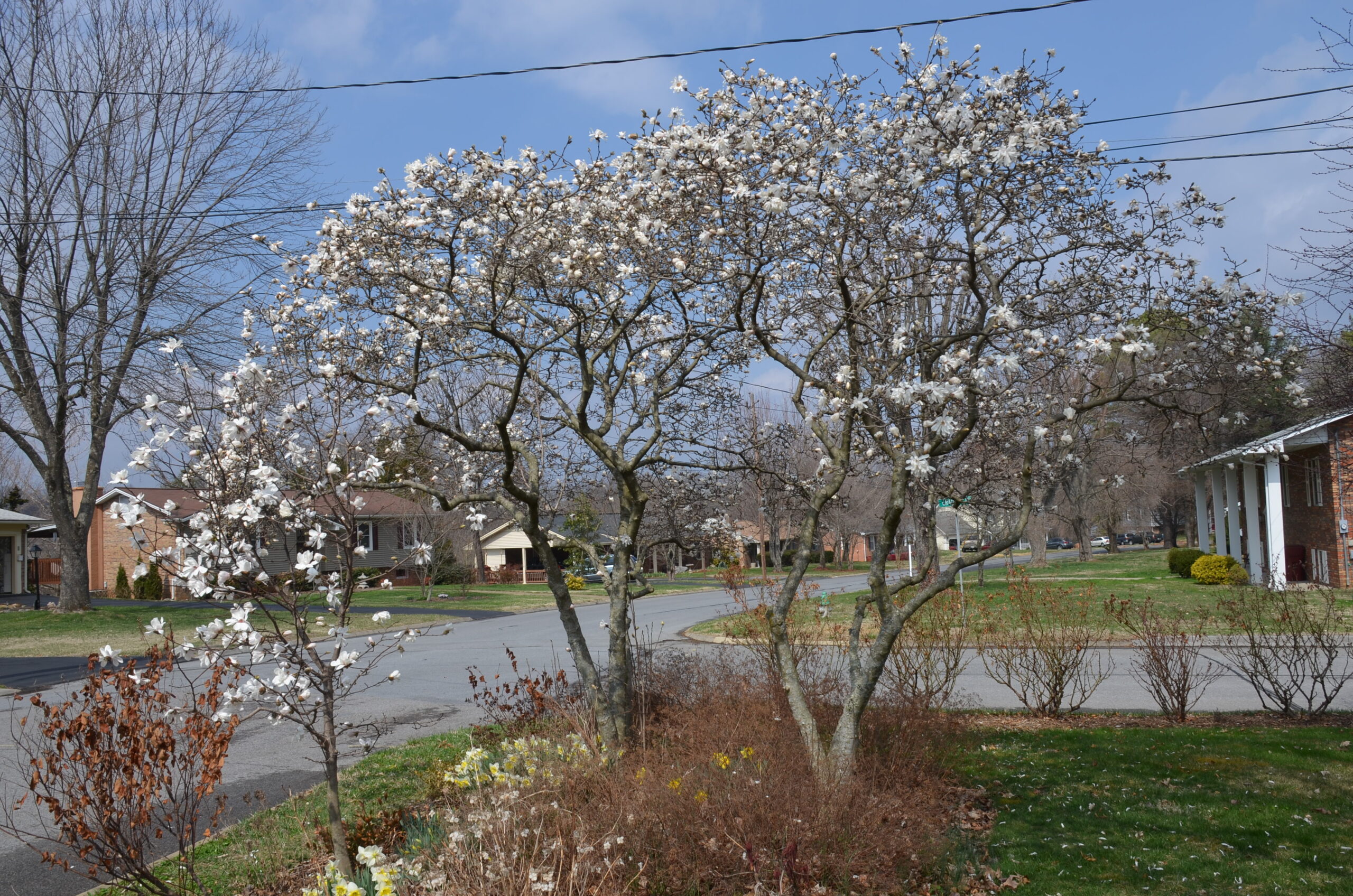
Alternatives To Callery Pear— Cornel cherry (Cornus mas), Japanese cornel (Cornus officinalis), Redbuds (Cercus spp.), Crabapples (Malus spp.), Serviceberry (Amelanchier spp.), Flowering Cherries (Prunus spp.), Carolina Silverbells (Halesia diptera), Snowbell (Styrax japonica), several magnolias (Magnolia spp.), and Tree Lilac (Syringa reticulata).
I strongly urge the swift removal of wildling callery pear seedlings. Cut down and remove invasive trees and apply a stump herbicide such as glyphosate (formerly Roundup™) or triclopyr to prevent resprouting. Be cautious when using herbicides. Read the label.
Warning: if you intend to bush hog or cut down the trees; some of seedling trees may develop large thorns that can puncture tractor tires or cause injury.
 Posted in


