
Over the past 25 years our native Eastern ninebark (Physocarpus opulifolius) has been reborn. Its overly vigorous nature has been tamed. Latest up is Summer Wine™ ninebark with small, deeply cut, wine burgundy leaves, quite different from the medium green foliage of old-fashioned ninebarks. Summer Wine is a more compact (5-6 feet in height and width) grower. Grow ninebark in […]
Archive for the ‘Flowers’ Category
Summer Wine™: The Taming of The Ninebark
Posted by Hugh on May 19th, 2011
 Posted in compact shrub, container shrub, Ninebark, Southern Appalachian Region, Spring flowering, Trees & Shrubs, watering tips, Winter Garden Interest, winter hardiness
  Comments Off on Summer Wine™: The Taming of The Ninebark
Gordlinia- Nothing Like it Before!
Posted by Hugh on April 17th, 2011
‘Sweet Tea’ resulted from crossing franklinia (F. alatamaha) and loblolly bay or gordonia (G. lasianthus). Sweet Tea is still abit finicky like franklinia, but is more resistant to Phytophthora disease (soil pathogen). This new intergeneric cross possesses huge (5 inch diameter), showy flowers that look like big fried eggs. Sweet tea exhibits semi-evergreen foliage with large, […]
Posted in Flowers, Gordlinia, Southern Appalachian Region, Trees & Shrubs Comments Off on Gordlinia- Nothing Like it Before!A Perfect Small Garden Tree– ‘Ace of Hearts’ Redbud
Posted by Hugh on April 11th, 2011
Ace of Hearts redbud (Cercis canadensis ‘Ace of Hearts’) is an arboreal treasure, a compact form of our native redbud. Heavy clusters of light purple pea-like flowers cover twigs and branches from late March into early April, depending on your locality. Ace of Hearts grows 12 by 15 feet in height and spread, roughly one-third […]
Posted in Pruning, Redbud, Southern Appalachian Region, Spring flowering, Summer heat tolerant, Trees & Shrubs Comments Off on A Perfect Small Garden Tree– ‘Ace of Hearts’ RedbudDouble Take™ Flowering Quinces
Posted by Hugh on April 8th, 2011
Photo credit: Dr. Tom Ranney, NCSU Research Horticulturist Flowering quince (Chaenomeles spp) is an early spring flowering shrub, treasured for its brightly colored blooms (USDA hardiness zones 5-9). Old fashioned quince shrubs produced small amounts of fruits which were gathered and prepared into yummy jelly in the autumn kitchen. These often large 10-12 foot tall shrubs produced small sharp […]
Posted in Bee Favorite, compact shrub, Fertilizing plants, Flowering, Flowering quince (Chaenomeles), Propagation (Cuttings), Soil drainage, Spring flowering, Summer heat tolerant, Trees & Shrubs, winter hardiness Comments Off on Double Take™ Flowering QuincesWhen To Prune Spring Flowering Shrubs
Posted by Hugh on March 25th, 2011
Seven reasons why you prune: eliminate dead, diseased, insect riddled branches control plant height and spread shaping such as topiary, espaliered or pollardized trees increase or decrease the numbers of flowers and fruits rejuvenate an old shrub or tree remove low branches over walkways remove water sprouts and root suckers Flowering shrubs bloom from late February thru […]
Posted in Disease resistant, Failure to Bloom, Garden Maintenance, Pruning, shrub roses, Southern Appalachian Region, Trees & Shrubs Comments Off on When To Prune Spring Flowering Shrubs‘Jeana’ Phlox– no powdery mildew
Posted by Hugh on March 18th, 2011
Photo credit: North Creek Nurseries, Landenberg, PA, USA Our native summer phlox (Phlox paniculata) continues to be challenged here in the Southern Appalachian region (USDA zones 6 and 7) by powdery mildew disease (p-m-d). Over the past decade gardeners have tried new, reportedly disease resistant cultivars. Many have disappointed. To date, the cultivars ‘David’ (white, 3-4 […]
Posted in Disease resistant, Flowers, Native Plant, Perennials, Southern Appalachian Region, Summer phlox (P. paniculata) Comments Off on ‘Jeana’ Phlox– no powdery mildewPulmonarias: Wonderful In The Shade Garden
Posted by Hugh on March 6th, 2011
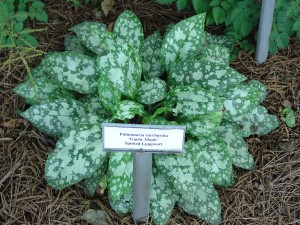
Although my multi-year addiction for hostas has never waned, I remain equally passionate about the lungworts (Pulmonaria spp.). Lungwort is also called Bethlehem sage and Jerusalem sage. Their uniquely splotched or variegated foliage wakes up a dark patch in any shade garden. Lungworts are planted as ground covers and for color accents. In early spring (March), lungworts send up […]
Posted in acidic soil, Container garden, Ground cover, Landscape ideas, mulching, Perennials, Planting tips, Propagation (dividing), Pulmonaria, Purchasing Plants, Shade Gardening, Soil drainage, Southern Appalachian Region, Spring flowering, Sun scald, watering tips, winter hardiness Comments Off on Pulmonarias: Wonderful In The Shade GardenPrune Some Hydrangeas Now
Posted by Hugh on March 3rd, 2011
PeeGee or panicled hydrangea (Hydrangea paniculata) and our native Smooth hydrangea (Hydrangea arborescens) are pruned now in late winter thru early spring. Why? – because these hydrangeas bloom on new or current season’s wood. Over the years these two hydrangea species grow to enormous sizes. When they overwhelm their garden space, severely cut them back to within 6 -12 inches from […]
Posted in Flowers, Garden Maintenance, Hydrangea, Hydrangeas, Pruning, Southern Appalachian Region, Trees & Shrubs Comments Off on Prune Some Hydrangeas NowWinter Jasmine Rising
Posted by Hugh on March 1st, 2011
Is the worst of winter behind us? Winter jasmine (Jasminum nudiflorum) is often confused with forsythia shrubs which bloom 3-4 weeks later in the spring. This hardy winter blooming vine from China frequently blooms in late February and March when daytime temperatures climb into the mid-50s for a week or more. Evening chilling temps down into the […]
Revitalize Pansies Now
Posted by Hugh on February 18th, 2011
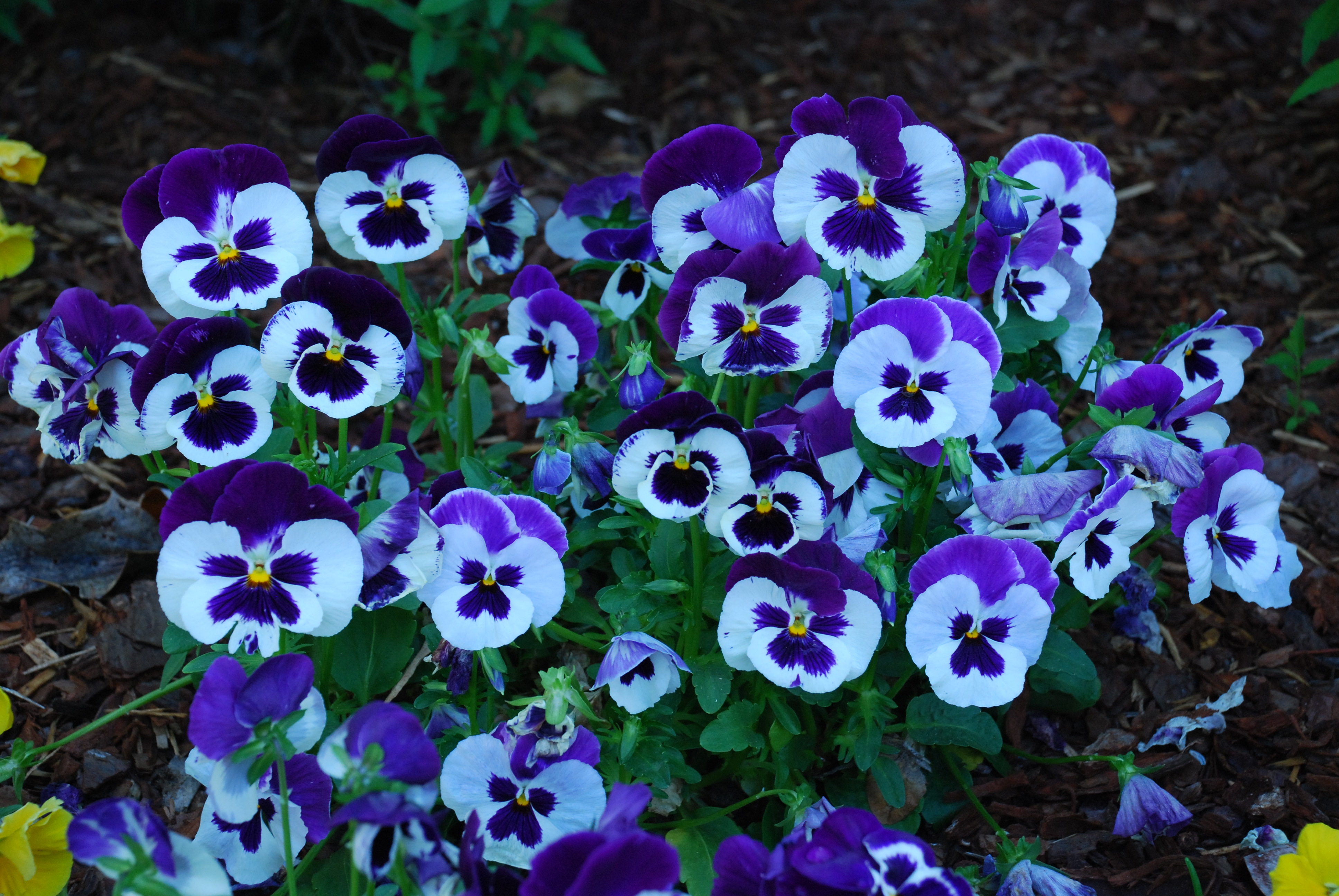
Across many areas of the Southern Appalachian region (USDA zones 6 and 7) snowfall has been plentiful this winter, but total rainfall is below normal. It takes 10 inches of snow to equal one inch of rainfall. Fall planted pansies and violas are now both hungry and thirsty. Provide them with a shot of fertilizer and water. […]
Posted in Featured, Fertilizing plants, Southern Appalachian Region, Violas, watering tips, Winter Garden Interest Comments Off on Revitalize Pansies Now


