
An ice storm is both a beautiful and horrific scene in a garden. The potential for major tree/shrub breakage is staggering. If you feel powerless, this is good thing. During the storm, do nothing / “hands off”. Most actions will likely cause more damage than what nature may have intended. After the storm assess the landscape areas which seem most vulnerable, or that […]
Archive for the ‘Garden Maintenance’ Category
Ice Storm- Keep Hands Off
Posted by Hugh on December 26th, 2010
 Posted in Bradford Pear, Pruning, Southern Appalachian Region, Trees & Shrubs, Uncategorized, winter injury
 Comments Off on Ice Storm- Keep Hands Off
Care of Your Poinsettia in the Home
Posted by Hugh on December 20th, 2010
‘Pink Shimmer’ poinsettia You’ve purchased a beautiful poinsettia and want to give it a proper home for the holidays. Room light, temperature and soil moisture are the key environmental concerns. Place your poinsettia either in a bright sunlit room or one receiving an indirect lighting source. Keep the plant away from heating vents and drafty windows. In general, poinsettias grow trouble free […]
Posted in Flowers, Interior (house) Plants, Pests, Uncategorized, watering tips Comments Off on Care of Your Poinsettia in the HomeLacebark pine- an investment in the future
Posted by Hugh on December 13th, 2010
Many rare and unusual garden plants are introduced into a garden as a thoughtful gift. Lacebark pine (Pinus bungeana) is an arboreal aristocrat which a few gardeners are privileged to own. Lacebark is a lovely 3- needle pine with exquisite exfoliating bark which becomes more attractive each succeeding year. The lacebark feature begins after 8-10 years, but it’s […]
Posted in acidic soil, Disease resistant, Drought tolerant, DWARF CONIFERS, Evergreen, Evergreens, Fertilizing plants, mulching, Pines (Pinus spp.), Planting tips, Pruning, Southern Appalachian Region, Summer heat tolerant, Trees & Shrubs, Uncategorized, watering tips, Winter bark, winter hardiness 2 Comments »Hydrangea Invincibelle Spirit ®
Posted by Hugh on December 10th, 2010
Hydrangea Invincibelle® Spirit ranks as one of the finest new plant introductions in 2010. This hydrangea comes from a good bloodline. Invincibelle® Spirit is a pink flowering clone originating from Annabelle. The cultivar ‘Annabelle’ (Hydrangea arborescens ‘Annabelle’) has been a star in Southern Appalachian gardens (USDA hardiness zones 6 and 7) for the past quarter century. Invincibelle® […]
Posted in Hydrangea, Native Plant, Pruning, Southern Appalachian Region, Trees & Shrubs, Uncategorized, watering tips Comments Off on Hydrangea Invincibelle Spirit ®“It’s Wort…not Wart”
Posted by Hugh on November 25th, 2010
Barrenworts (Epimedium spp.) are a collection of ground cover species mostly from Asia and Europe. None are native to North America, but most thrive in gardens in the Southern Appalachian region (USDA zones 6 and 7). There are currently 21 known species worldwide. Also called Bishop’s hat, barrenworts are one of our finest groundcovers for part sun to part shade areas. Some are […]
Posted in Barrenwort (Epimedium), Ground cover, Perennials, seeding lawn, Shade Gardening, Southern Appalachian Region, Uncategorized Comments Off on “It’s Wort…not Wart”Brighten Up a Drab Corner in Your Garden
Posted by Hugh on November 20th, 2010
Crippsii falsecypress (Chamaecyparis obtusa ‘Crippsii’) is one tall 20-25 foot high evergreen shrub (or small tree). Its lacy golden evergreen foliage catches your attention almost any season of the year. Unfortunately, Crippsii is rarely seen in landscapes because few landscape architects and designers know it or can not find it in the nursery trade. Ten years ago a credit union near my home […]
Posted in Evergreens, Pests, Southern Appalachian Region, Trees & Shrubs, Uncategorized, watering evergreens Comments Off on Brighten Up a Drab Corner in Your GardenDoghobble for Shady Landscape Areas
Posted by Hugh on November 11th, 2010
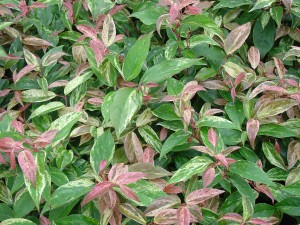
Drooping doghobble or fetterbush (Leucothoe fontanesiana) is native to woodland areas in the Southern Appalachian region (USDA zones 6 and 7). Doghobble is a tall ground cover, averaging 3 – 4 feet in height. The long gently arching evergreen branches display a rambling nature, best reined in with hand pruning as needed. White fragrant flowers, […]
Be Careful What You’re Cutting Back
Posted by Hugh on November 4th, 2010
Halfway through the autumn season, new plants have come to life, while most are retiring for a long winter’s nap (dormancy). About 4-5 weeks back, the leafy growth (vegetative) stage of the surprise lily (Lycoris radiata), also called “resurrection lily or “naked ladies”, appeared (left and center photos). When last seen in late July and August, brightly colored stalks of lycoris flowers had popped through with no leaves present. […]
Posted in acidic soil, compost, Flowering Bulb, Ground cover, Perennials, Shade Gardening 2 Comments »Hardy Camellias Re-Awaken the Autumn Season
Posted by Hugh on November 1st, 2010
‘Winter Star’ camellia (pale pink- photo on left) is the first camellia to bloom in the Conlon garden this fall season. My 8 year-old camellia has 50 or more flowers currently opened and promises to continue blooming through most of November. Other hardy fall blooming cultivars are heavily budded and will open thru mid- December, weather permitting. A few […]
Posted in Camellia, Flowering, plant nutrition, Pruning Comments Off on Hardy Camellias Re-Awaken the Autumn SeasonArkansas Bluestar Great In Spring, Summer and Fall
Posted by Hugh on October 27th, 2010
Blue star (Amsonia hubrichtii) exhibits one of nature’s finest autumn foliar displays. This Arkansas native is a long-lived perennial and prospers here in the Southern Appalachian region (USDA zones 6 and 7). After its initial year in the garden, amsonia exhibits good heat and drought tolerances. Its fine textured needle -like foliage is very soft and airy. In the […]
Posted in Disease resistant, Drought tolerant, Heat Tolerance, Perennials, Planting tips, Pruning, Spring flowering, watering tips Comments Off on Arkansas Bluestar Great In Spring, Summer and Fall


