
Sweetgum (Liquidambar styraciflua) is a medium to large landscape tree, which matures to 65-70 feet in height and 35 feet in spread. To many people it’s called the cursed “gumball” or “ankle twister” tree, not be confused with the fruit balls of the American sycamore or London plane tree (Platanus spp.). Gumball detractors should look […]
Archive for the ‘winter hardiness’ Category
‘Slender Silhouette’ Sweetgum…Very Few Gumballs!
Posted by Hugh on September 4th, 2011
 Posted in acidic soil, Disease resistant, Heat Tolerance, Native Plant, Soil drainage, Southern Appalachian Region, Sweetgum (Liquidambar), Trees & Shrubs, winter hardiness
  Comments Off on ‘Slender Silhouette’ Sweetgum…Very Few Gumballs!
Old-Timey ‘Royal Standard’ Hosta Still Rules
Posted by Hugh on August 14th, 2011
Kingwood Center is a wonderful public garden in Mansfield, Ohio with several top notch beds of hostas. One glorious bed of ‘Royal Standard’ hosta blooms their heads off from mid-August into September. With over 35,000 registered hostas available, why look back at this vintage variety. Royal Standard was patented and introduced in 1965 by Wayside Gardens […]
Posted in compost, Hosta, Perennials, Southern Appalachian Region, Summer flowering, Summer heat tolerant, Uncategorized, winter hardiness Comments Off on Old-Timey ‘Royal Standard’ Hosta Still Rules‘Morning Calm’ Trumpet Vine
Posted by Hugh on August 5th, 2011
Our native trumpet vine, aka trumpet creeper (Campis radicans), may instill fear in gardeners. A wild vine may climb a utility pole, 30- 40 feet in one year. The late horticulturist Dr. J. C. Raulston at NC State University in Raleigh recommended its tamer Chinese cousin (C. grandiflora) and the cultivar ‘Morning Calm’. Trumpetvine climbs and […]
Posted in Campsis grandifolia 'Morning Calm', plant nutrition, Pruning, Southern Appalachian Region, Summer flowering, Summer heat tolerant, Vine, winter hardiness Comments Off on ‘Morning Calm’ Trumpet VineA Canna Lily Revival
Posted by Hugh on July 30th, 2011
Depending on where you garden, Canna lily (Canna spp.) is a tropical-looking, herbaceous annual or perennial. Its colorful foliage and long blooming time leaves a huge visual impact. Canna is not reliably winter hardy in the Southern Appalachian region (USDA hardiness zones 6 and 7). […]
Posted in Canna lily, Canna lily, Fertilizing plants, Southern Appalachian Region, Summer flowering, Uncategorized, Virus diseases, water garden maintenance, watering tips, winter hardiness, winter injury Comments Off on A Canna Lily RevivalTorch Lily Has Long Bloom Life
Posted by Hugh on July 23rd, 2011
Torch lily (Kniphofia spp.), aka “red hot poker”, is an easy to grow long-lived perennial from South Africa. Its colorful floral spike (and a little imagination) resembles a fiery torch or sizzling poker, visited often by hummingbirds, bees and butterflies. New cultivars are mostly hybrids and vary in plant height and flower color. Starting in […]
Posted in Attracting birds, Bee Favorite, Butterflies, deadheading, Disease resistant, Hummingbird, Perennials, Pruning, Southern Appalachian Region, Spring flowering, Summer flowering, Summer heat tolerant, Torch lily (red hot poker), Uncategorized, watering tips, winter hardiness Comments Off on Torch Lily Has Long Bloom LifeSummer Blooming Oyama Magnolia
Posted by Hugh on July 10th, 2011
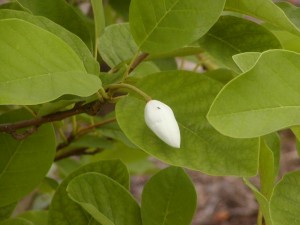
A friend on vacation sent me the attached photo from Wooster, Ohio. When I told him that it was Oyama magnolia (Magnolia sieboldii), he asked why gardeners are not growing it. Good question! Oyama magnolia is a 10-15 feet tall (and equal spread) deciduous tree or large shrub from eastern Asia. It prefers to grow […]
Posted in acidic soil, compost, Featured, Flowering, Large shrub, Magnolia, Magnolia sieboldii, mulching, Propagation (Cuttings), Pruning, Southern Appalachian Region, Spring flowering, Summer flowering, winter hardiness Comments Off on Summer Blooming Oyama MagnoliaStewartia- A Tree for All Seasons
Posted by Hugh on June 1st, 2011
Japanese stewartia (Stewartia pseudocamellia) is a truly beautiful 20-30 foot small tree or multi-trunked shrub. Stewartia may be finicky to grow, but a great plant nonetheless. Although rarely seen in U.S. gardens, Japanese stewartia is the most commonly grown of the six stewartia species. All are winter hardy in the Southern Appalachian region (USDA zones 6 […]
Posted in acidic soil, compost, Disease resistant, Flowers, Pruning, Southern Appalachian Region, Stewartia pseudocamellia, Summer flowering, Summer heat tolerant, Trees & Shrubs, watering iris, winter hardiness Comments Off on Stewartia- A Tree for All SeasonsSummer Wine™: The Taming of The Ninebark
Posted by Hugh on May 19th, 2011
Over the past 25 years our native Eastern ninebark (Physocarpus opulifolius) has been reborn. Its overly vigorous nature has been tamed. Latest up is Summer Wine™ ninebark with small, deeply cut, wine burgundy leaves, quite different from the medium green foliage of old-fashioned ninebarks. Summer Wine is a more compact (5-6 feet in height and width) grower. Grow ninebark in […]
Posted in compact shrub, container shrub, Ninebark, Southern Appalachian Region, Spring flowering, Trees & Shrubs, watering tips, Winter Garden Interest, winter hardiness Comments Off on Summer Wine™: The Taming of The Ninebark‘Janet Blair’ Rhododendron
Posted by Hugh on May 13th, 2011
Here in the Southern Appalachian region (USDA zones 6 and 7) rhododendrons can be challenging. Of critical importance is to choose a good garden spot and to plant a hardy cultivar. Over the past 25 years ‘Janet Blair’ has been one of the most reliable varieties in my Northeast Tennessee garden. ‘Janet Blair’ bears medium-sized […]
Posted in acidic soil, compost, deadheading, mulching, plant nutrition, Rhododendrons, Southern Appalachian Region, Summer heat tolerant, Trees & Shrubs, Uncategorized, water garden maintenance, winter hardiness, Winter Protection Comments Off on ‘Janet Blair’ RhododendronGrowing Azaleas in Outdoor Containers Year-Around
Posted by Hugh on May 10th, 2011
In the Southern Appalachian region (USDA zones 6 and 7), if you desire to grow azaleas in above ground containers year around, you must select winter hardy cultivars. Two of the best for containers are ‘Elsie Lee’ (2½- inch wide semi-double light lavender blooms) and ‘Herbert’ (1 ¾- inch wide bright purple with dark blotch). […]
Posted in acidic soil, Azaleas (evergreen), Container growing, mulching, plant nutrition, Pruning, Southern Appalachian Region, Trees & Shrubs, winter hardiness Comments Off on Growing Azaleas in Outdoor Containers Year-Around


