
Seven reasons why you prune: eliminate dead, diseased, insect riddled branches control plant height and spread shaping such as topiary, espaliered or pollardized trees increase or decrease the numbers of flowers and fruits rejuvenate an old shrub or tree remove low branches over walkways remove water sprouts and root suckers Flowering shrubs bloom from late February thru […]
Archive for the ‘Garden Problems’ Category
When To Prune Spring Flowering Shrubs
Posted by Hugh on March 25th, 2011
 Posted in Disease resistant, Failure to Bloom, Garden Maintenance, Pruning, shrub roses, Southern Appalachian Region, Trees & Shrubs
  Comments Off on When To Prune Spring Flowering Shrubs
Act Now for Crabgrass-free Lawn This Summer
Posted by Hugh on March 9th, 2011
What grows there? Hopefully, it’s not crabgrass this summer. Crabgrass (Digitaria spp.) is an annual weed grass that devour lawns, shrub beds and flower gardens. There are lots of effective crabgrass preventatives sold at garden shops, hardware stores, and farm supply centers. There are numerous trademarked products. It is important to read and understand package instructions. […]
Posted in Crabgrass control, Garden Problems, Lawn Care, Southern Appalachian Region  Tags: Lawn Care Comments Off on Act Now for Crabgrass-free Lawn This Summer
Pulmonarias: Wonderful In The Shade Garden
Posted by Hugh on March 6th, 2011
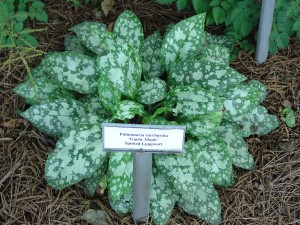
Although my multi-year addiction for hostas has never waned, I remain equally passionate about the lungworts (Pulmonaria spp.). Lungwort is also called Bethlehem sage and Jerusalem sage. Their uniquely splotched or variegated foliage wakes up a dark patch in any shade garden. Lungworts are planted as ground covers and for color accents. In early spring (March), lungworts send up […]
Posted in acidic soil, Container garden, Ground cover, Landscape ideas, mulching, Perennials, Planting tips, Propagation (dividing), Pulmonaria, Purchasing Plants, Shade Gardening, Soil drainage, Southern Appalachian Region, Spring flowering, Sun scald, watering tips, winter hardiness Comments Off on Pulmonarias: Wonderful In The Shade GardenWinter Jasmine Rising
Posted by Hugh on March 1st, 2011
Is the worst of winter behind us? Winter jasmine (Jasminum nudiflorum) is often confused with forsythia shrubs which bloom 3-4 weeks later in the spring. This hardy winter blooming vine from China frequently blooms in late February and March when daytime temperatures climb into the mid-50s for a week or more. Evening chilling temps down into the […]
Stop the Leyland Madness
Posted by Hugh on January 18th, 2011
Leyland cypress (x Cupressocyparis leylandii) is a tall, fast growing evergreen tree or shrub. Many are planted as privacy screens. Ask yourself, should you really plant a 50 foot barrier between you and your neighbor(s)? In the Southern Appalachian region (USDA hardiness zones 6 and 7), there are shorter and better evergreen choices. In the 12-16 foot category: Boxwood (Buxus […]
Ice Storm- Keep Hands Off
Posted by Hugh on December 26th, 2010
An ice storm is both a beautiful and horrific scene in a garden. The potential for major tree/shrub breakage is staggering. If you feel powerless, this is good thing. During the storm, do nothing / “hands off”. Most actions will likely cause more damage than what nature may have intended. After the storm assess the landscape areas which seem most vulnerable, or that […]
Posted in Bradford Pear, Pruning, Southern Appalachian Region, Trees & Shrubs, Uncategorized, winter injury Comments Off on Ice Storm- Keep Hands OffGinkgo -Sex Education 101
Posted by Hugh on October 22nd, 2010
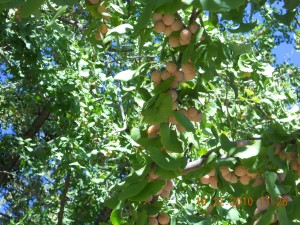
Surviving an autumn season with a heavily fruited ginkgo (Ginkgo biloba) tree is a foul smelling experience. The odorous yellow fleshy fruits ripen in October and drop onto public streets and home lawns. Several times I have witnessed the Jonesborough Tennessee Fire Department raking up fallen fruit and hosing down a sidewalk too treacherous to walk […]
Posted in acidic soil, alkaline soil, Autumn foliage color, Deer resistant, Gardenia, Ginkgo biloba, Large Shade trees, Propagation (Seed), Propagation(grafting), Pruning, Soil drainage, Southern Appalachian Region, Summer heat tolerant, Trees & Shrubs, Winter bark, winter hardiness Comments Off on Ginkgo -Sex Education 101Coppicing – Renewal Pruning for Old Rhododendrons
Posted by Hugh on September 14th, 2010
Coppicing is a form of renewal pruning because the entire shrub is lopped off to the ground. It is a drastic pruning technique primarily used on shrubs that flower and fruit on new or summer wood, those that flower in late June or later. Coppicing is renewal pruning but is so simple that gardeners is […]
Posted in Aggressive grower, Garden Maintenance, Ilex (hollies), Mountain laurel (Kalmia), Pieris japonica, Pruning, Rhododendrons, Southern Appalachian Region Comments Off on Coppicing – Renewal Pruning for Old RhododendronsFailure of Shrubs and Trees to Bloom
Posted by Hugh on September 8th, 2010
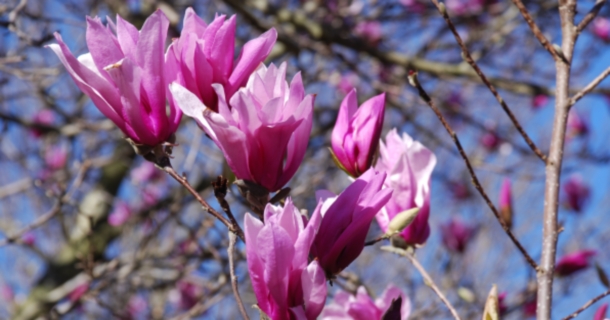
It is usually quite difficult to determine why a shrub or tree fails to bloom. Most often the problem is the plant’s health, related to weather or environmental factors. Sometimes, the gardener has grown the plant poorly. Here are the seven leading causes: High much nitrogen? The nitrogen to carbohydrate ratio (C:N) is a common […]
Posted in Failure to Bloom, Featured, Garden Maintenance, Garden Problems Comments Off on Failure of Shrubs and Trees to BloomPotential Epidemic In Your Car Trunk Or Camper?
Posted by Hugh on August 31st, 2010
Photo: walnut twig beetle infestation Tennessee Department of Agriculture (TDA) officials urge state residents and visitors to the state to help prevent the spread of Thousand Cankers Disease in black walnut (Juglans nigra)trees and Emerald Ash Borer in ash species (Fraxinus spp.). Take the following steps: Don’t transport firewood, even within Tennessee. Don’t bring […]


