
Crippsii falsecypress (Chamaecyparis obtusa ‘Crippsii’) is one tall 20-25 foot high evergreen shrub (or small tree). Its lacy golden evergreen foliage catches your attention almost any season of the year. Unfortunately, Crippsii is rarely seen in landscapes because few landscape architects and designers know it or can not find it in the nursery trade. Ten years ago a credit union near my home […]
Archive for the ‘Southern Appalachian Region’ Category
Brighten Up a Drab Corner in Your Garden
Posted by Hugh on November 20th, 2010
 Posted in Evergreens, Pests, Southern Appalachian Region, Trees & Shrubs, Uncategorized, watering evergreens
  Comments Off on Brighten Up a Drab Corner in Your Garden
Trident Maple Has 4- Seasons Interest
Posted by Hugh on November 18th, 2010
Over the past decade residential lot sizes have shrunken. Small and medium sized shade trees are a better choice over large traditional choices of red and sugar maples. Trident maple (Acer buergerianum) is our best mid-sized summer shade maple in the Southern Appalachian region (USDA zones 6 and 7). By mid-November trident has shed its gorgeous reddish […]
Posted in Maples (Acer), Southern Appalachian Region, Trees & Shrubs, Uncategorized Comments Off on Trident Maple Has 4- Seasons InterestDoghobble for Shady Landscape Areas
Posted by Hugh on November 11th, 2010
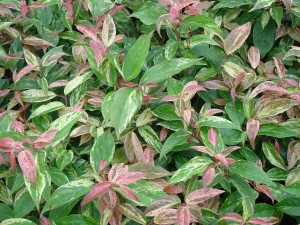
Drooping doghobble or fetterbush (Leucothoe fontanesiana) is native to woodland areas in the Southern Appalachian region (USDA zones 6 and 7). Doghobble is a tall ground cover, averaging 3 – 4 feet in height. The long gently arching evergreen branches display a rambling nature, best reined in with hand pruning as needed. White fragrant flowers, […]
Striped Maple For The Shade Garden
Posted by Hugh on November 8th, 2010
This past weekend, while walking in the Smokies Mountains on a rather brisk rainy autumn day, the bright yellow autumn foliage color of striped maple (Acer pensylvanicum) caught my attention. Also called “moosewood”, it is the only snake-bark maple native to the U.S. The greenish bark is marked with dark vertical lines or “stripes”. The reason that […]
Posted in Native Plant, Southern Appalachian Region, Striped maple, Trees & Shrubs Comments Off on Striped Maple For The Shade GardenGinkgo -Sex Education 101
Posted by Hugh on October 22nd, 2010
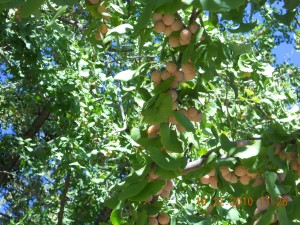
Surviving an autumn season with a heavily fruited ginkgo (Ginkgo biloba) tree is a foul smelling experience. The odorous yellow fleshy fruits ripen in October and drop onto public streets and home lawns. Several times I have witnessed the Jonesborough Tennessee Fire Department raking up fallen fruit and hosing down a sidewalk too treacherous to walk […]
Posted in acidic soil, alkaline soil, Autumn foliage color, Deer resistant, Gardenia, Ginkgo biloba, Large Shade trees, Propagation (Seed), Propagation(grafting), Pruning, Soil drainage, Southern Appalachian Region, Summer heat tolerant, Trees & Shrubs, Winter bark, winter hardiness Comments Off on Ginkgo -Sex Education 101Plant Lovely Camassia for the Spring Garden
Posted by Hugh on October 18th, 2010
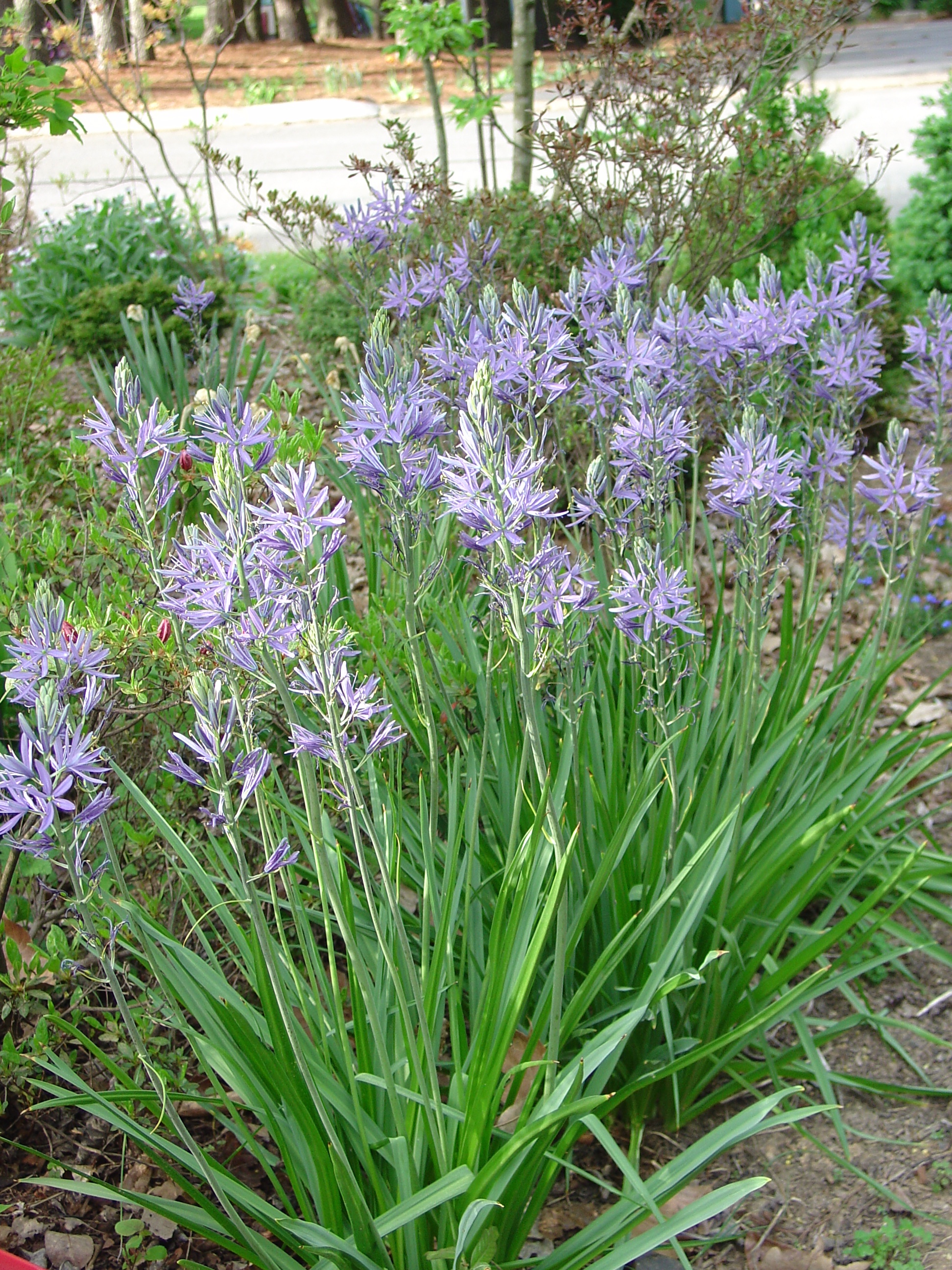
Camassia is native to the mountains and prairies of western North America, where it is called Indian quamash. In earlier times several native North Americans tribes commonly cooked this edible bulb, particularly of species C. quamash. Camassia tolerates moist wet soils. It may be planted along the edges of ponds or in the front of […]
Posted in Camassia, Featured, Flowering Bulb, Flowers, Native Plant, Perennials, Southern Appalachian Region Comments Off on Plant Lovely Camassia for the Spring GardenGoldenrod –Set Off Some Fireworks This Fall
Posted by Hugh on October 6th, 2010
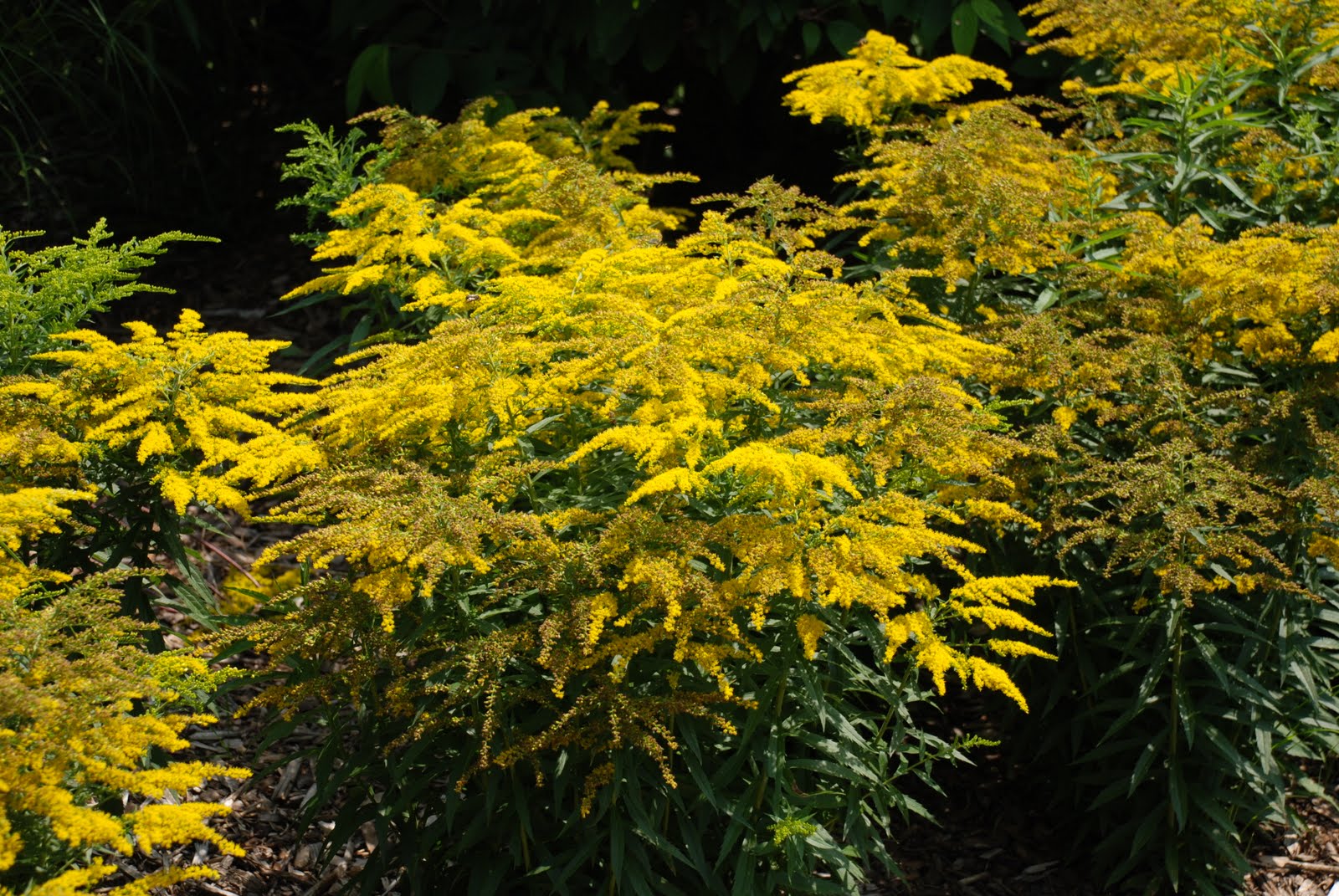
Rough-stemmed goldenrod (Solidago rugosa) grows in low woods, meadows and bogs in the eastern half of North America. ‘Fireworks’ (USDA zones 4–8) has a more compact plant habit than the species. This early blooming cultivar provides a long floral display starting in mid-August and lasting through Thanksgiving, weather permitting. Flowers spikes are numerous and held in […]
Posted in Autumn flowering, deadheading, Goldenrod (Solidago), Native Plant, Perennials, Southern Appalachian Region Comments Off on Goldenrod –Set Off Some Fireworks This FallCoppicing – Renewal Pruning for Old Rhododendrons
Posted by Hugh on September 14th, 2010
Coppicing is a form of renewal pruning because the entire shrub is lopped off to the ground. It is a drastic pruning technique primarily used on shrubs that flower and fruit on new or summer wood, those that flower in late June or later. Coppicing is renewal pruning but is so simple that gardeners is […]
Posted in Aggressive grower, Garden Maintenance, Ilex (hollies), Mountain laurel (Kalmia), Pieris japonica, Pruning, Rhododendrons, Southern Appalachian Region Comments Off on Coppicing – Renewal Pruning for Old RhododendronsHardy Camellias for Southern Appalachian Region
Posted by Hugh on September 10th, 2010
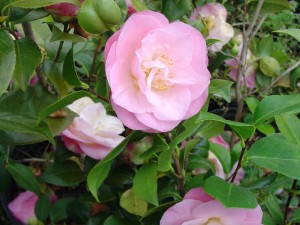
Several camellias bloom reliably either in the fall and or early spring in most areas of Tennessee within USDA hardiness zone 6. In the colder higher elevations above 2000 feet, hardy camellias require some additional shelter to successfully bloom over 6 – 8 weeks. Flower colors range from white, many shades of pink, and red. […]
Posted in acidic soil, Camellia, Evergreens, Featured, Fertilizing plants, Flowering, Regional, Southern Appalachian Region, Spring flowering, Summer heat tolerant, Trees & Shrubs, watering tips, Winter flowering  Tags: Camellia Comments Off on Hardy Camellias for Southern Appalachian Region
Plumleaf Azalea Is Showy Summer Blooming Shrub
Posted by Hugh on August 1st, 2010
Plumleaf azalea (Rhododendron prunifolium) has been blooming in my garden for the past ten days. This species is a late July – early August bloomer in northeast TN. The bright orange-red flowers of this native azalea light up any garden spot whether in full sun or partial shade. Provide some additional shade in southern climes […]
Posted in Azalea (deciduous), Deer resistant, Disease resistant, Drought tolerant, Heat Tolerance, Hummingbird, mulching, Native Plant, Pruning, Southern Appalachian Region, Summer flowering, Summer heat tolerant, Trees & Shrubs Comments Off on Plumleaf Azalea Is Showy Summer Blooming Shrub


