Re-Potting Indoor Plants
General Tree/Shrub Fertilizer Recommendations
Fertilize most landscape shrubs and trees in winter or early spring with a granular 10-10-10 at a rate of 20 lbs. per 1,000 square feet when the ground cover is dry. A 19-19-19 fertilizer is distributed at 10 lbs per 1000 square feet. Distribute within an area 3 feet out from the trunk or shrub crown and 5 feet beyond the end of the branches. Most of us don’t care to haul a 20 or 40 lb bag of fertilizer from one tree to the next. A one pound coffee tin holds about 2 pounds of fertilizer.
Encapsulated slow release fertilizers deliver the nutrients soil temperatures are warm. Each capsule, called a “prill”, is soil moisture and temperature sensitive. The prill meters out a precise amount of the 3 key nutrients (nitrogen, phosphorus and potassium) over a 3, 5 or 9 month time period. In the warmest areas of the U.S., slow-release fertilizers deliver in a shorter time period. Prolonged drought periods also interrupt prill release. Overwatering meters out fertilizer faster and plants often appear nutrient-starved by late summer.
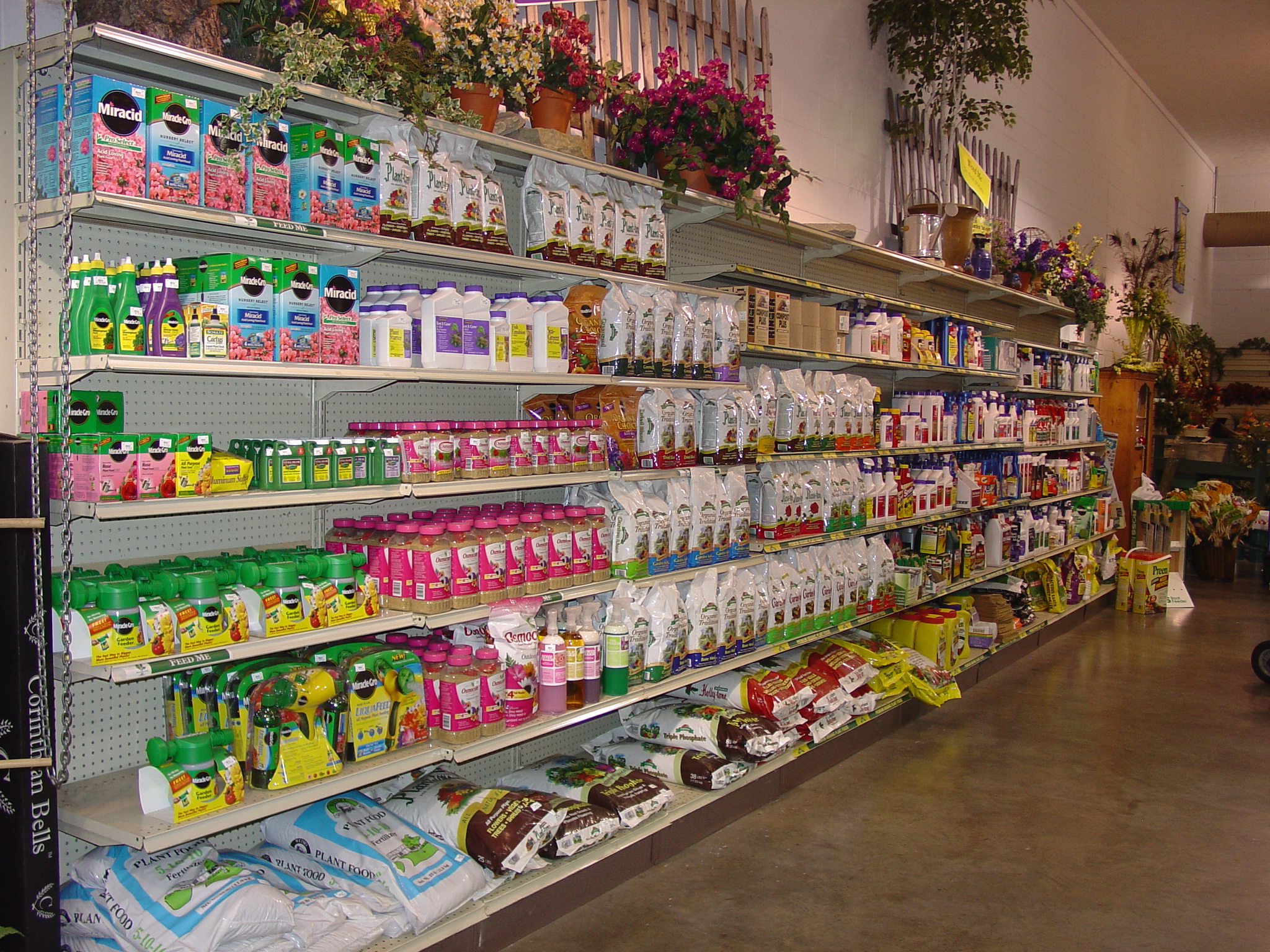
Water soluble fertilizers such as Miracle-Gro™, Miracid™, Jacks®, Peters®, or Hollytone® are great alternatives. These fertilizers are effective for 4-5 weeks and are usually applied bi-monthly from late March thru mid-August on a 6-8 week schedule.
In most areas spring rainfall is adequate to water the fertilizer in and leach it down to the tree/shrub root zone. Otherwise, you should irrigate to carry down whatever product you’ve applied.
Keep in mind that these are general recommendations and some plant exceptions apply.
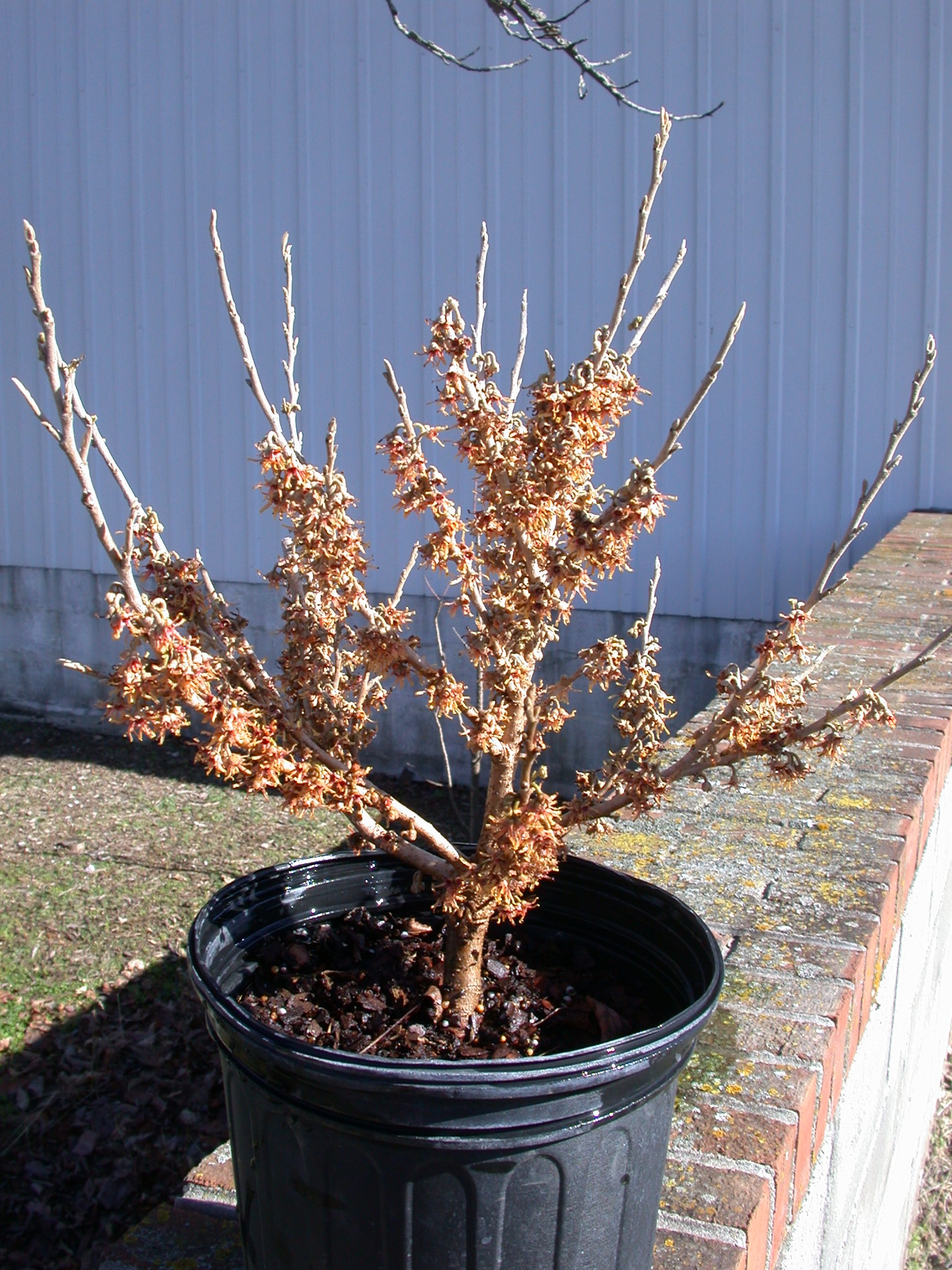
‘Quasimodo’ Vernal Witchhazel
Vernal witchhazel (H. vernalis) is a dense growing 8-12 foot native shrub which blooms in mid-winter in the Southern Appalachian region (USDA zones 6 and 7). It is winter hardy to zone 4.
Small ½ inch wide yellow to red flowers, flushed red at the base, emit a pleasant witchhazel aroma in February. Often, it is the fragrance which has passerbys taking notice of the small strap-like red flowers blooming in the middle of winter.
New leaves start off with a reddish purple tint in early spring. The 2 – 5 inch long by 2 – 3 inch wide leaves are medium green and remain pest free from spring thru autumn. Fall leaf colors transition from green to yellow to gold. Dead leaves often stick on throughout the winter, concealing large percentage of the flowers. The root system possesses a strong suckering habit. The branch wood displays a pale gray color.
‘Quasimodo’ is a compact 3 – 4 foot high shrub, slightly taller than wide. This diminutive cultivar is excellent choice for a small garden. Quasimodo was hybridized and introduced by Pieter Zwijnenburg in the Netherlands. Its burnt orange flower color stands out better in the mid-winter landscape. Bloom season lasts 3-4 weeks. Quasimodo drops its leaves in the fall so that all flowers are in plain sight.
Vernal witchhazel grows in full sun to moderate shade and requires little extra care. The soil should be adequately drained and mildly acidic.
Key Points Whether To Grow Peaches
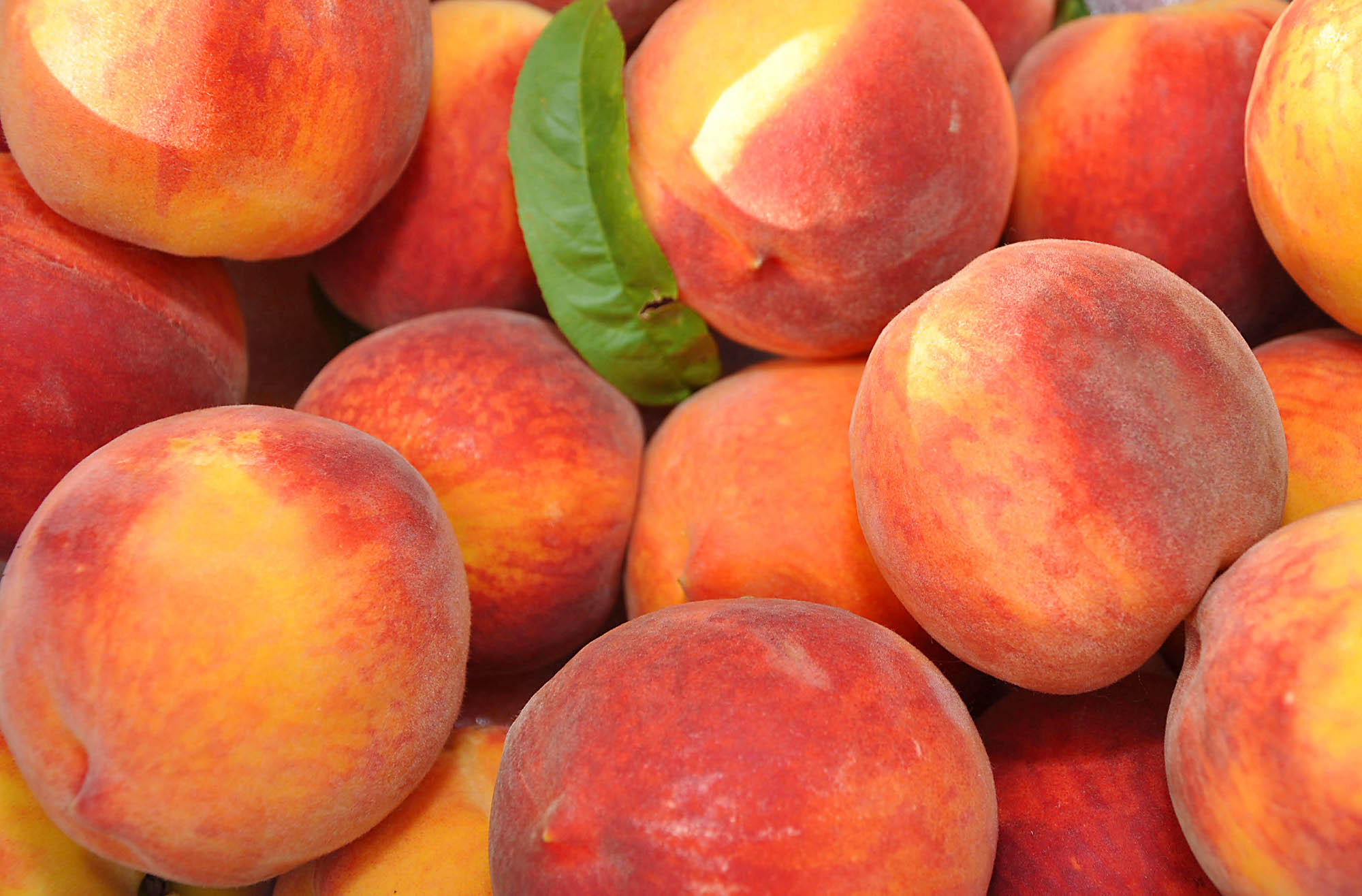
Peaches grow in other places besides Georgia, USA. A decade long period of mild winters in the Southern Appalachian region (USDA zones 6 and 7) have increased gardener confidence about growing peaches. Peaches (Prunus persica) tend to flower in early spring when the threat of spring frosts is still high. In many years spring frost may kill 80% of flower buds, yet still produce a “full” crop in July and August.
Standard (non-dwarf) peach trees grow and are easy to harvest by pruning them to 10-12 feet in height. Dwarf peach trees are unreliable as they live only a short time and are not worth the high purchase price. Dwarf peach root systems are weak and break off from the graft union.
Only freestone peach varieties are listed below. If you garden in zone 7-a or further north, their long winter chilling requirement is not a problem. Freestone peaches are great for eating and ideal for baking and canning; the flesh does not stick to the pits. Clingstone peaches are also a good choice for their sweetness and taste.
Table 1. New peach varieties and approximate harvest times for East Tennessee, Western NC and Southwest VA (zone 6-b):
3rd week July Contender (yellow flesh, freestone)
4th week July Nectar (white flesh, freestone)
1st week August Carolina Gold (yellow flesh, freestone)
2nd week August China Pearl (white flesh, freestone)
Late August Intrepid (yellow flesh, freestone)
Table 2. Older reliable varieties for East Tennessee and Southwest Virginia include:
Cresthaven (medium to large fruit, yellow flesh, freestone)
Jefferson (early season, medium yellow-orange flesh, freestone)
Monroe (late harvest, medium yellow flesh, freestone)
Red Haven (medium, nearly fuzzless, yellow flesh, freestone)
Credit: Dr. David Lockwood, Extension Fruit Specialist at the Universities of Tennessee and Georgia recommend these varieties.
Tree and Berry Fruit Pollination Chart
A frequent question of newbie fruit gardeners is what will pollinate what. Do I need many varieties or can all be the same variety? The four common terms are used:
Self-pollinated: transfer of pollen occurs within the same variety.
Cross-pollinated: transfer of pollen occurs between two varieties.
Self-unfruitful: low fruit set unless the blossoms are fertilized with pollen of another variety.
Self-fruitful: varieties that set fruit with their own pollen.
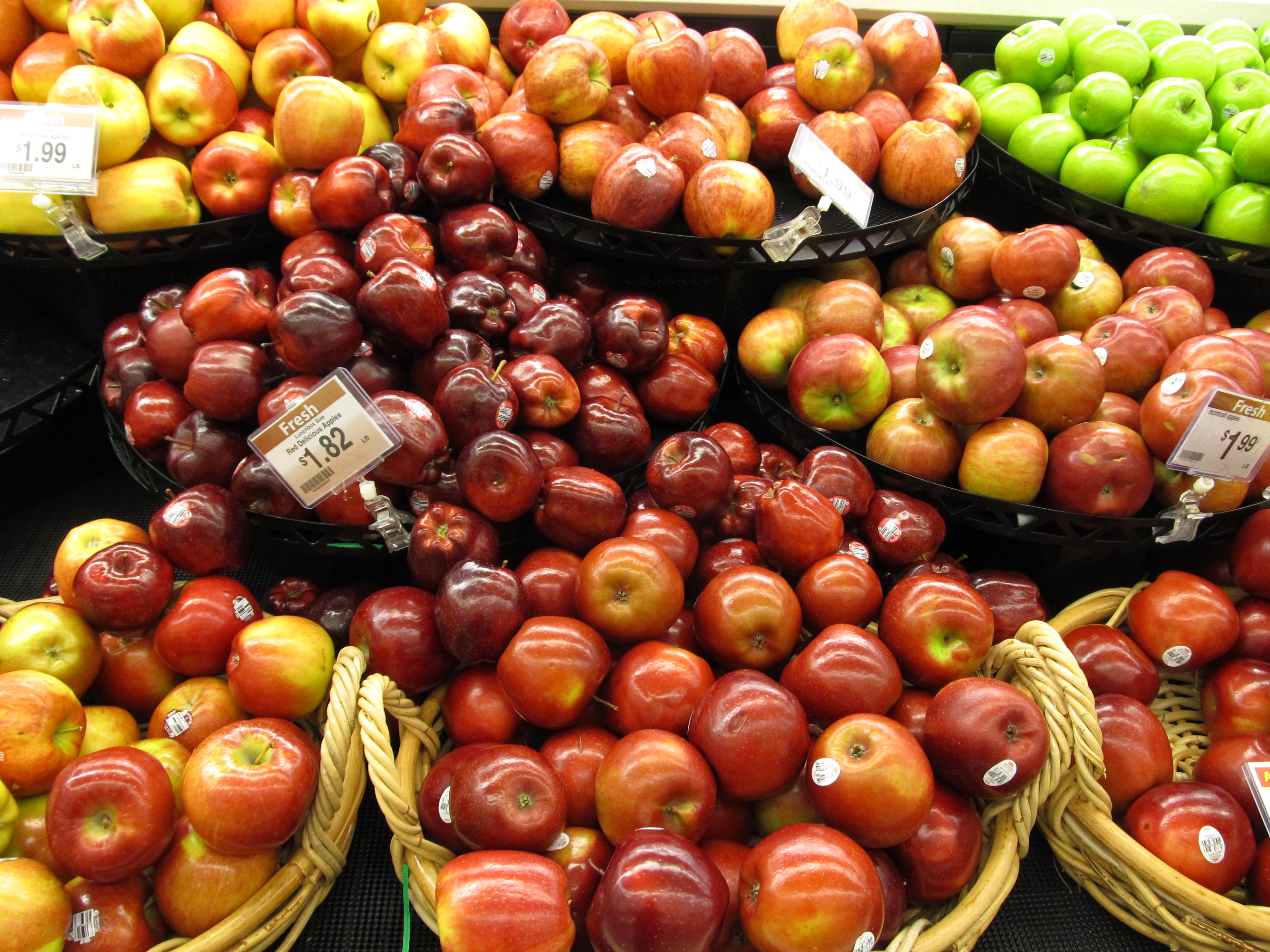
Apple: self-unfruitful with two or more varieties required for good cross-pollination. Some varieties are poor pollen providers (‘Winesap’, ‘Jonagold’, ‘Mutsu’ are examples) and a third variety is required.
Pear: mostly self-unfruitful with two or more varieties required for good cross-pollination. Asian pears do not pollinate European pear varieties.
Plum: Japanese plum, represented by varieties ‘Burbank’, ‘Shiro’, ‘Santa Rosa’, and ‘Methley’, are self-unfruitful. European varieties do not pollinate Japanese varieties.
European plum, represented by ‘Stanley’ and ‘Damson’, are self-fruitful and pollinate other European varieties. All other European plums require pollen from another variety.
Sour (Tart) Cherry: self-fruitful; recommend ‘Montmorency’, ‘Early Richmond’, ‘Meteor’
Sweet Cherry: self-unfruitful, cross pollination required; recommend ‘Hedelfinger’, ‘Ranier’, ‘Viva’, ‘Valera’, ‘Venus’, ‘Hardy Giant’. The variety ‘Stella’ is self fruitful.
Peaches: self-fruitful, but heavier yields when two or more varieties are planted.
Strawberries – self-fruitful
Blackberries – self-fruitful
Raspberries – self-fruitful
Grapes – American bunch, French hybrids, V. vinifera types – self-fruitful
Grapes – Muscadine – self-unfruitful, cross pollination required
Blueberry – self-unfruitful, cross pollination required
Hardy kiwi – self-unfruitful, cross pollination required
Gooseberry, Currant – self fruitful
Elderberry – self-unfruitful, cross pollination required
Leyland Cypress Too Big For Many Sites
Leyland cypress (x Cupressocyparis leylandii) grows into a 50 foot tall evergreen behemoth. What happens when the plants (in photo) get too close to the small deck(s)? Access to the deck from the stairs will become impossible as the evergreens swallow up the entire back yard. Looking out from the deck and windows from the home won’t be likely within 5 years.
Here are six better low growing evergreen alternatives in the 12-25 foot height range which should be better fit into this landscape are:
Leatherleaf viburnum (Viburnum rhytidophyllum) @12-15 feet in 15 years
Prague viburnum (Viburnum x pragense) @8-12 feet
Skip laurel (Prunus laurocerasus ‘Schipkaensis’) @8-12 feet
Emerald arborvitae (Thuja occidentalis ‘Smaragd’) @18-20 feet
Foster No. 2 holly (Ilex x attenuata ‘Foster No. 2’) @16-18 feet
Nellie R. Stevens holly (Ilex x cornuta ‘Nellie R. Stevens’) @18-20 feet
Another option is a plant a hedge row of evergreens such as hemlock (Tsuga canadensis), white pine (Pinus strobus), or upright junipers (Juniperus chinensis). Evergreens would require pruning at least once a year.
In the Southern Appalachian region (USDA hardiness zones 6 and 7), Leyland cypress is not a good choice for an average size residential lot. Limit plantings to public parks, golf courses and large commercial properties and space at least 16 feet apart for good air movement around plants.
Leyland cypress is susceptible to three serious foliar diseases of which there are no fungicidal curative measures.
Soil Testing Is Fool-Proof Garden Insurance
The pH is a measure of how acidic (below 7.0) or alkaline (above pH 7.0) the garden soil may be. Acid-loving plants such as azaleas, rhododendrons, dwarf conifers and blueberries prefer soil pH below 6.0. An alkaline pH benefits growing some dianthus, ferns and lenten roses. Also, some soil nutrients are less available to plants above pH 7.0.
Soil test early, at least once every 4-5 years. Separately test lawn, vegetable, fruit, and flower garden areas. If you grow a large number of roses, test this area separately.
Randomly sample 4-5 areas of each separate garden bed. The soil should be aired dry for several days and collect enough to fill a large 5 oz. baby food jar.
The local Extension office or full service garden center now in mid-winter before the rush of spring gardeners begin tilling. The cost is very modest, usually $8-12 per sample in most states.
Don’t Crawl /Let’em Weep White Pine
In the beginning was a small weeping pine which wanted to crawl along the ground because it had no “legs”. The gardener came along and straightened up the leader and attached it to a tall pole. Straightening and staking continued for several years. Many years later it grew into a tall weeping white pine (Pinus strobus ‘Pendula’).
The leader and branch shoots pf white pine emerge in late April. The 3 – 5 inch long needles have fully elongated by early June in the Southern Appalachian region (USDA zones 6 and 7). Staking is best performed anytime from mid to late June. The shoots become semi-woody, yet are still flexible.
The main shoot (leader) is bent vertically upward and tied to the stake. The staking and tying procedure is neither complicated nor time consuming. Use soft jute or cotton twine, and not wire twist-ems® or plastic ties for fastening to the stake or a trellis. After 6-8 months, loosen the ties so they won’t girdle the tender main shoot (leader).
At planting position a sturdy 12-16 foot metal or heavy duty plastic stake close to the trunk. White pine grows 12-18 inches per year. On rare occasions a tree may produce multiple leaders. Remove all but the one you want to continue up the stake. Within 8-10 years, your weeping white pine should support itself on its strong straight leader and the stake may be permanently removed.