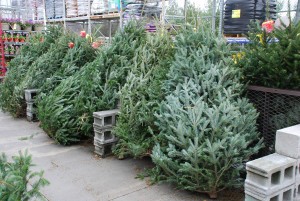
- Christmas Trees at Local Garden Center
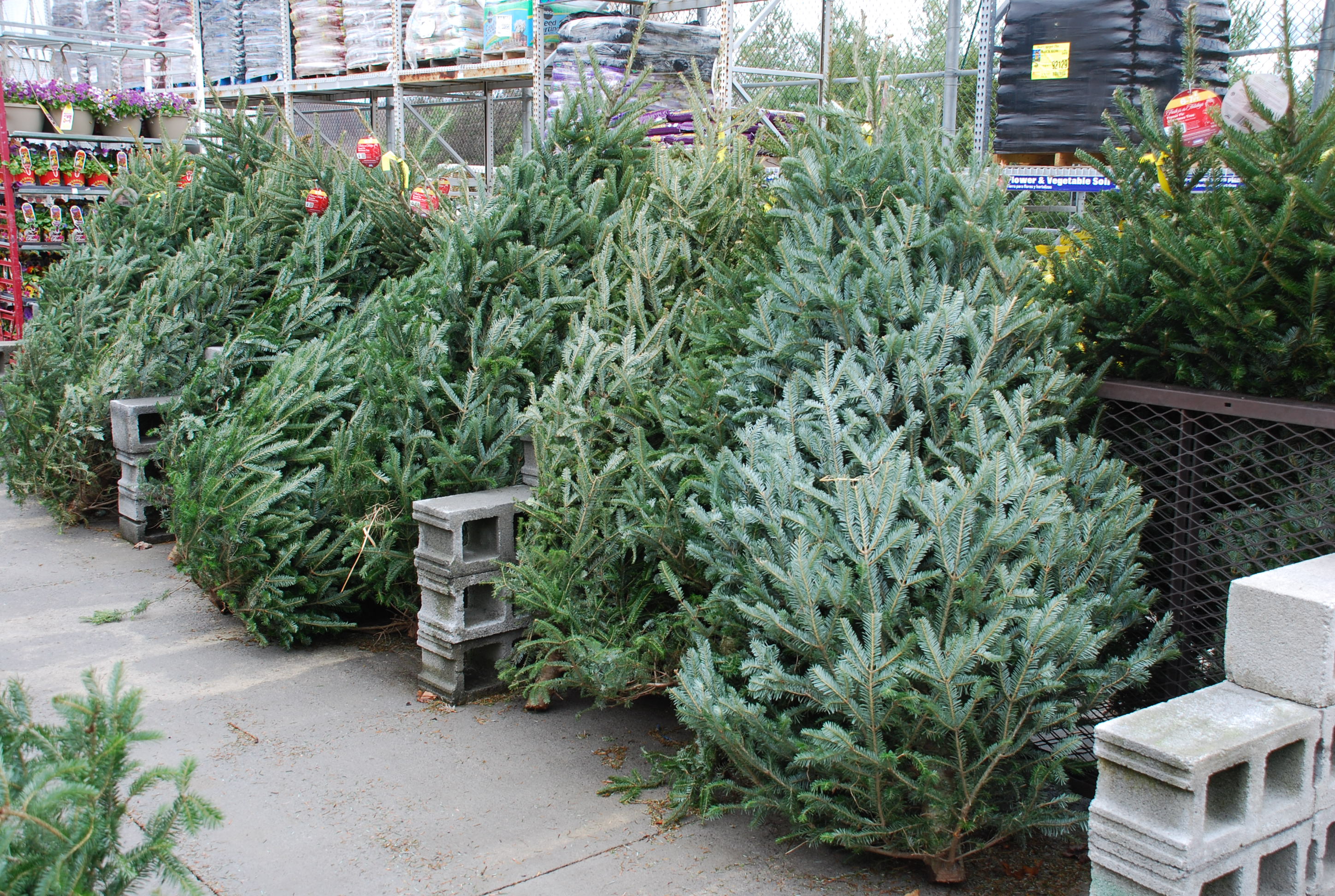
Fire safety in the home should be your primary concern when purchasing a freshly cut Christmas tree. There are numerous “choose and cut” Christmas tree growers in the Southern Appalachian region (USDA zones 6 and 7). Trees are harvested by the tens of thousands in the mountainous locales and are shipped nationally and internationally. You can also purchase a tree from a large chain store or a local tree lot.
The evergreen species with best needle retention include: fraser fir, douglas fir, and balsam (Canaan) fir, followed by white pine and Scotch pine. Norway spruce rates the poorest in needle retention. Canadian or the western U. S. growers ship Balsam fir and Douglas fir trees into the region in time for post Thanksgiving sales. These trees are harvested 4 – 6 weeks ahead because of shipping and weather concerns.
When shopping at a tree lot, shake or bounce the tree to check needle retention. Needles should be soft and fragrant.
Re-cut the base (butt) of the tree, removing at least 1 inch prior to setting it into a stand indoors. Secure the tree and fill the water reservoir. Inspect the reservoir daily for water uptake. A freshly cut 6-7 foot tree may consume a 1/2 pint (8 oz.) or more of liquid per day.
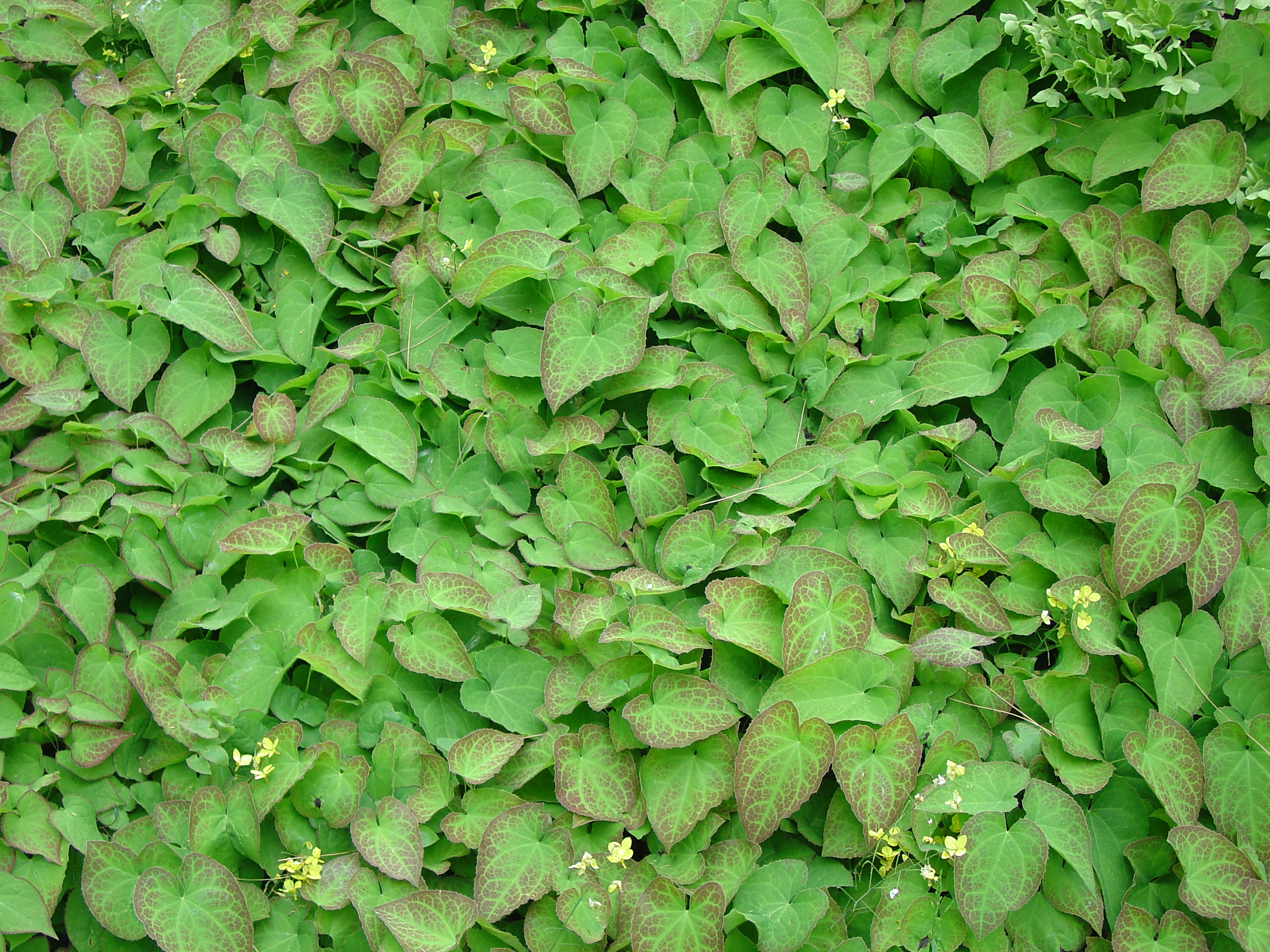
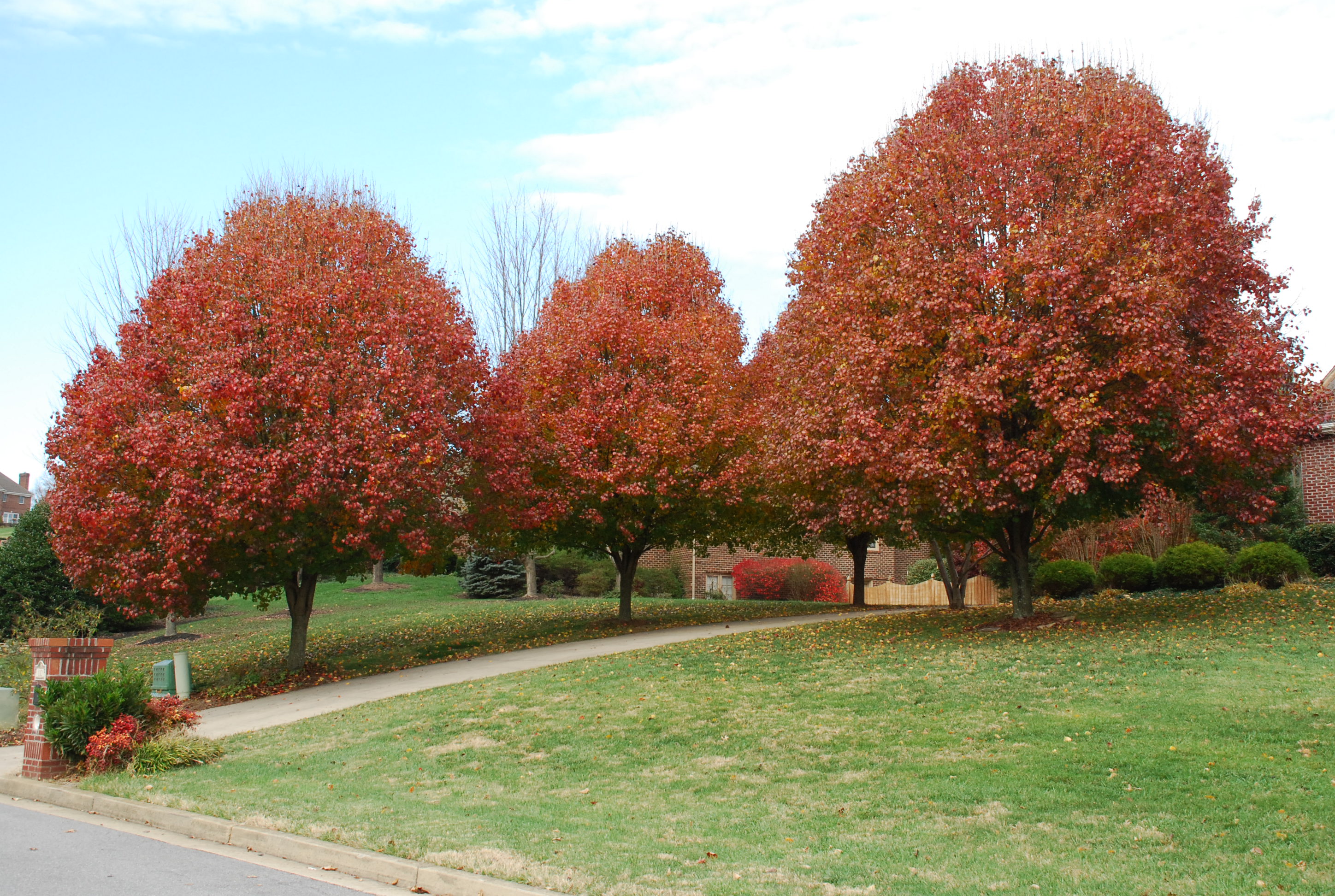
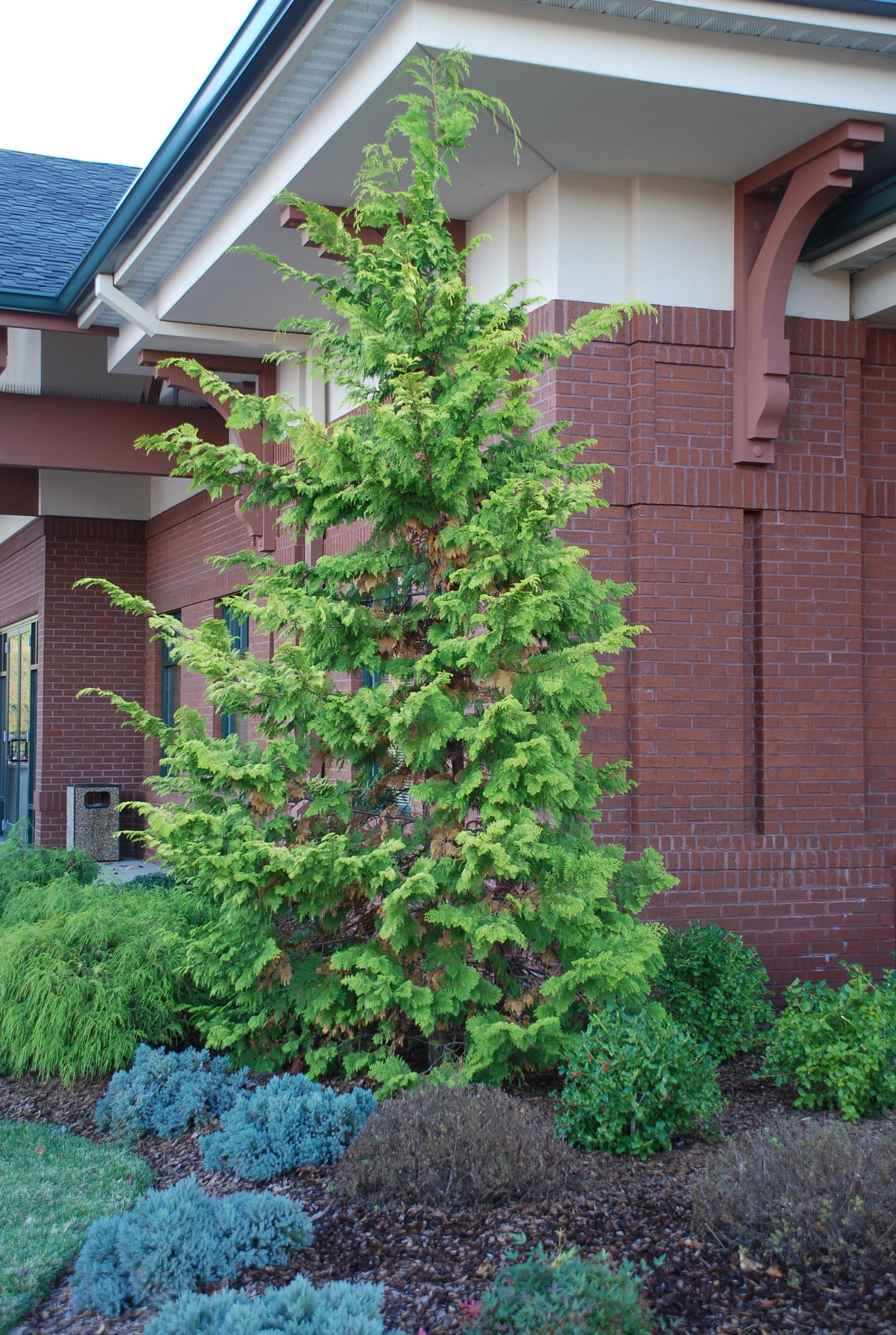
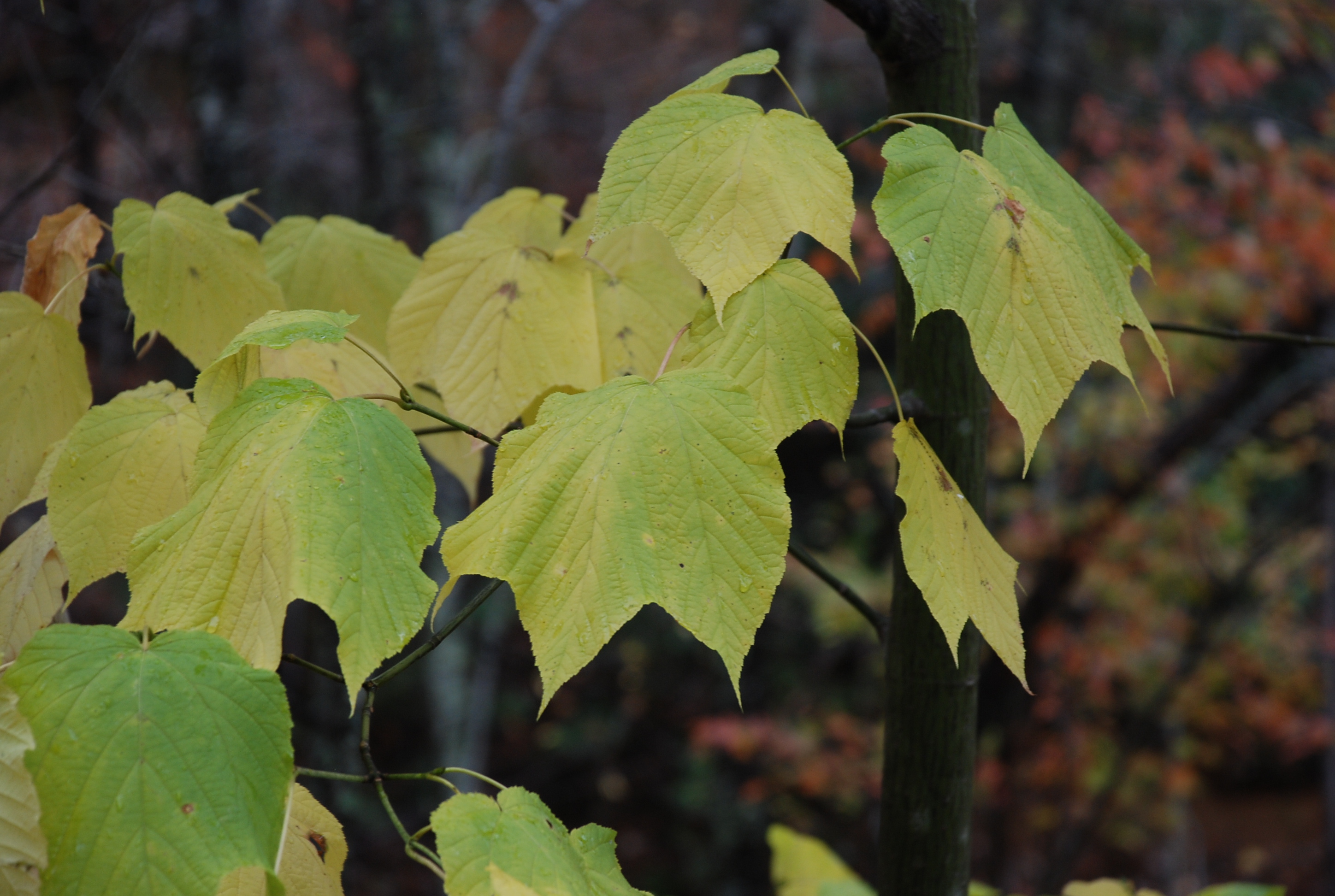
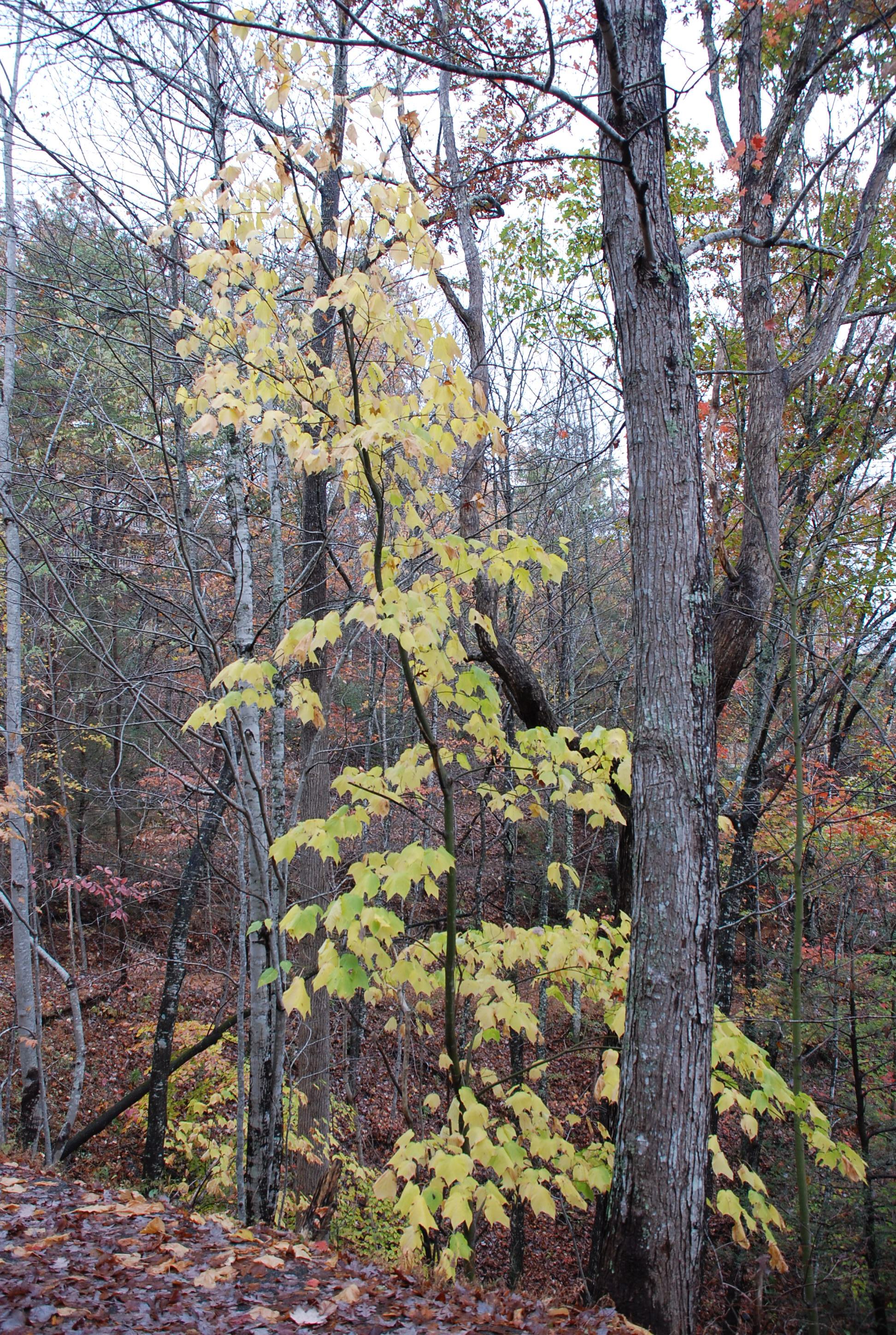
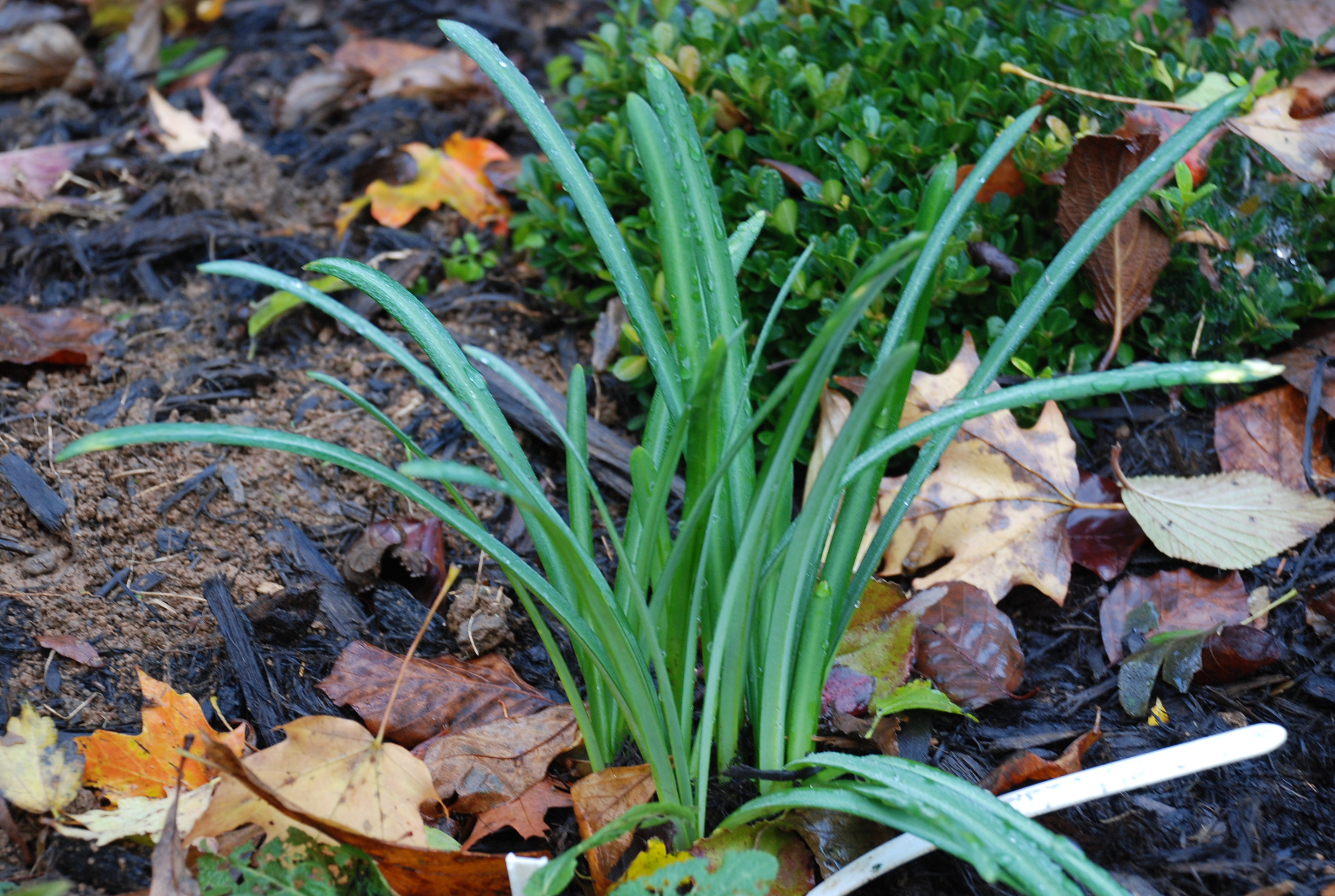
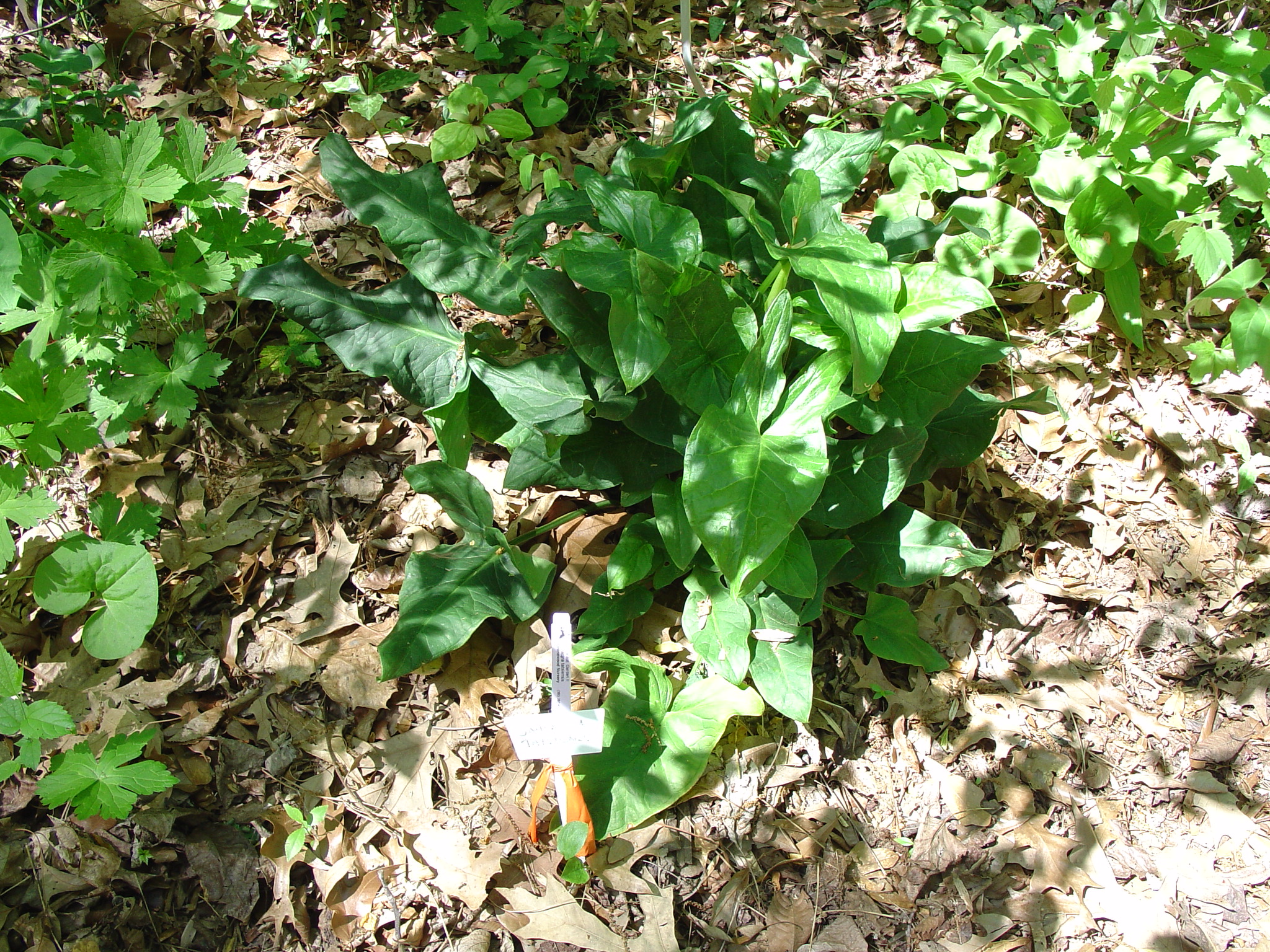
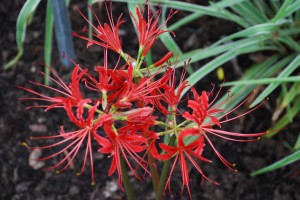 Halfway through the autumn season, new plants have come to life, while most are retiring for a long winter’s nap (dormancy). About 4-5 weeks back, the leafy growth (vegetative) stage of the surprise lily (Lycoris radiata), also called “resurrection lily or “naked ladies”, appeared (left and center photos). When last seen in late July and August, brightly colored stalks of lycoris flowers had popped through with no leaves present. The floral stalks have since withered and disappeared.