
Callery pear (Pyrus calleryana) has been declining in planting popularity. But its scarlet red leaf color is both sensational and reliable every autumn in the Southern Appalachian region (USDA zones 6 and 7). Most people identify the tree by its cultivar name, e.g. ‘Bradford’, Aristocrat®, ‘Cleveland Select’, ‘Redspire’ pear. There are many other cultivars. Callery pears are tough reliable medium sized trees which […]
Archive for the ‘Spring flowering’ Category
Autumn Colors Conclude with Callery Pears
Posted by Hugh on November 23rd, 2011
 Posted in Attracting birds, Bee Favorite, Bradford Pear, Drought tolerant, Fertilizing plants, Flowering, Heat Tolerance, Pruning, Soil drainage, Southern Appalachian Region, Spring flowering, Summer heat tolerant, winter hardiness
  Comments Off on Autumn Colors Conclude with Callery Pears
Fall Color in U.S. Native Azaleas
Posted by Hugh on October 4th, 2011
Finally, Americans are paying closer attention to our wonderful native plants. In the Southern Appalachian region, there are 16 and more species of deciduous azaleas which may be grown here. In addition, there are numerous natural hybrids growing in the mountains. I asked Jay Jackson, owner of Appalchian Native Plants, Inc. in Laurel Bloomery, TN […]
Posted in acidic soil, Azalea (deciduous), Spring flowering, Summer flowering, Trees & Shrubs Comments Off on Fall Color in U.S. Native AzaleasFall Is For Planting
Posted by Hugh on September 15th, 2011
Does your garden need a refresh? Summer’s heat and drought, devastating storms, and disease and pest problems combine to place a pall over your outdoor living space. Perhaps, you desire an entirely new look. Maybe you’re tired of the same old beds of roses, daylilies and other perennials. Maybe your garden saps too much of […]
Posted in Camassia, Dianthus (Pinks), Flowers, Perennials, Southern Appalachian Region, Spring flowering, Spring flowering bulbs, Violas, Winter flowering, Winter Garden Interest  Tags: Landscaping Tips Comments Off on Fall Is For Planting
Re-Bloomers Need Your Help
Posted by Hugh on September 10th, 2011
Re-blooming is an unusual plant trait. Selected cultivars return this time of year for a repeat floral show. In my garden Encore™ azaleas (Rhododendron spp.), re-blooming irises (Iris spp.), and re-blooming daylilies (Hemerocallis spp.) are back for second round of flowering in late summer and early fall. The gardener/landscaper must supply needed soil moisture and nutrition (primarily nitrogen) so that plants don’t struggle […]
Posted in Autumn flowering, Azaleas (evergreen), Daylilies, Fertilizing plants, Iris, Perennials, Southern Appalachian Region, Spring flowering, Summer flowering, watering tips Comments Off on Re-Bloomers Need Your HelpSunpatiens Worth The Hype
Posted by Hugh on August 26th, 2011
Sunpatiens™ live up to all their hype, with a caveat. They are still impatiens, which means they love (and can’t go without) water. In the Southern Appalachian region (USDA zones 6 and 7), Sunpatiens prosper in direct full day sun to part shade, but can’t go without weekly watering. The flower bed should be mulched […]
Posted in compost, Disease resistant, Fertilizing plants, Flowers, Heat Tolerance, mulching, Southern Appalachian Region, Spring flowering, Summer flowering, Summer heat tolerant, Sunpatiens, watering tips Comments Off on Sunpatiens Worth The HypeKousa Dogwood Not Summer Heat Tolerant
Posted by Hugh on August 23rd, 2011
Chinese (Kousa) dogwood (Cornus kousa) rates four stars (out of four) as a beautiful small flowering landscape tree. Since the 1970’s, a deadly anthracnose (Discula spp.) fungus disease has threatened to eradicate our native flowering dogwood (C. florida). Kousa dogwood rates as a highly disease resistant alternative. Its Achilees’ heel is its less than stellar foliar heat […]
Posted in Chinese (kousa) dogwood, Disease resistant, Heat Tolerance, Southern Appalachian Region, Spring flowering, Summer heat tolerant, Trees & Shrubs, watering tips Comments Off on Kousa Dogwood Not Summer Heat TolerantTorch Lily Has Long Bloom Life
Posted by Hugh on July 23rd, 2011
Torch lily (Kniphofia spp.), aka “red hot poker”, is an easy to grow long-lived perennial from South Africa. Its colorful floral spike (and a little imagination) resembles a fiery torch or sizzling poker, visited often by hummingbirds, bees and butterflies. New cultivars are mostly hybrids and vary in plant height and flower color. Starting in […]
Posted in Attracting birds, Bee Favorite, Butterflies, deadheading, Disease resistant, Hummingbird, Perennials, Pruning, Southern Appalachian Region, Spring flowering, Summer flowering, Summer heat tolerant, Torch lily (red hot poker), Uncategorized, watering tips, winter hardiness Comments Off on Torch Lily Has Long Bloom LifeSummer Blooming Oyama Magnolia
Posted by Hugh on July 10th, 2011
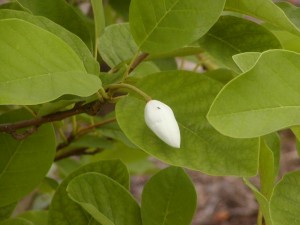
A friend on vacation sent me the attached photo from Wooster, Ohio. When I told him that it was Oyama magnolia (Magnolia sieboldii), he asked why gardeners are not growing it. Good question! Oyama magnolia is a 10-15 feet tall (and equal spread) deciduous tree or large shrub from eastern Asia. It prefers to grow […]
Posted in acidic soil, compost, Featured, Flowering, Large shrub, Magnolia, Magnolia sieboldii, mulching, Propagation (Cuttings), Pruning, Southern Appalachian Region, Spring flowering, Summer flowering, winter hardiness Comments Off on Summer Blooming Oyama MagnoliaTough And Reliable Chinese Astilbes
Posted by Hugh on July 4th, 2011
Astilbes (also called “false spireas”) are favorite late spring flowering perennials. The Astilbe x arendsii hybrids from Germany are most popular and available at local garden centers. Astilbes are very hardy in the Southern Appalachian region (USDA zones 6 and 7). If low maintenance is your goal, try Chinese astilbe (Astilbe chinensis var tacquetii). Their […]
Posted in Astilbe (false spirea), Flowers, Perennials, Southern Appalachian Region, Spring flowering, Summer flowering, watering tips Comments Off on Tough And Reliable Chinese AstilbesSummer Pruning of Oakleaf and Bigleaf Hydrangeas
Posted by Hugh on June 15th, 2011
Bigleaf or “mophead” hydrangeas (Hydrangea macrophylla) tend to get tall and leggy, and outgrow their garden space. Our native oakleaf hydrangeas (Hydrangea quercifolia) are pruned as blooms quality declines. Remove or “deadhead” all withered or faded flowers. Main pruning time for these two species is from mid-June thru mid-August. Mopheads may rebloom if they had […]
Posted in acidic soil, Attracting birds, Attracting Butterflies, Bees and other pollinators, Deciduous, Disease resistant, Drought tolerant, Fertilizing plants, Flower Arranging, Flower arrangments, Garden Maintenance, Hydrangea, Hydrangeas, Landscape ideas, mulching, Native Plant, Oakleaf hydrangea (H. quercifolia), Planting tips, Propagation (Cuttings), Propagation (layering), Pruning, Purchasing Plants, Shade Gardening, Soil drainage, Southern Appalachian Region, Spring flowering, Summer flowering, Summer heat tolerant, Trees & Shrubs, Uncategorized Comments Off on Summer Pruning of Oakleaf and Bigleaf Hydrangeas


