
Japanese cornel (Cornus officinalis) is a tall shrub or small tree dogwood which matures to 20-25 feet in height and 15 feet in width. ‘Sunsphere’ Japanese cornel was discovered by Mike Stansberry, owner of Beaver Creek Nursery in Knoxville, TN. Japanese cornel is the official start of spring in my garden, even though the calendar reads late […]
Archive for the ‘Southern Appalachian Region’ Category
‘Sunsphere’ Japanese Cornel
Posted by Hugh on February 24th, 2011
 Posted in Disease resistant, Flowering, Southern Appalachian Region, Trees & Shrubs
  Tags: 'World's Fair cornelian cherry
  Comments Off on ‘Sunsphere’ Japanese Cornel
Edgeworthia Deserves A Try
Posted by Hugh on February 21st, 2011
Edgeworthia flowering in March garden First, I must thank South Carolina nurseryman, Mr. Ted Stephens, who gifted me a Chinese paperbush (Edgeworthia chrysantha) nearly 6 years ago. Most plant authorities rate its winter hardiness to USDA zones 7 and 8. It struggled through its first winter and spring in my zone 6-b garden, but has never disappointed. […]
Posted in compact shrub, Disease resistant, Edgeworthia, Flowering, Southern Appalachian Region, Trees & Shrubs, Winter Protection Tags: Edgeworthia Comments Off on Edgeworthia Deserves A TryRevitalize Pansies Now
Posted by Hugh on February 18th, 2011
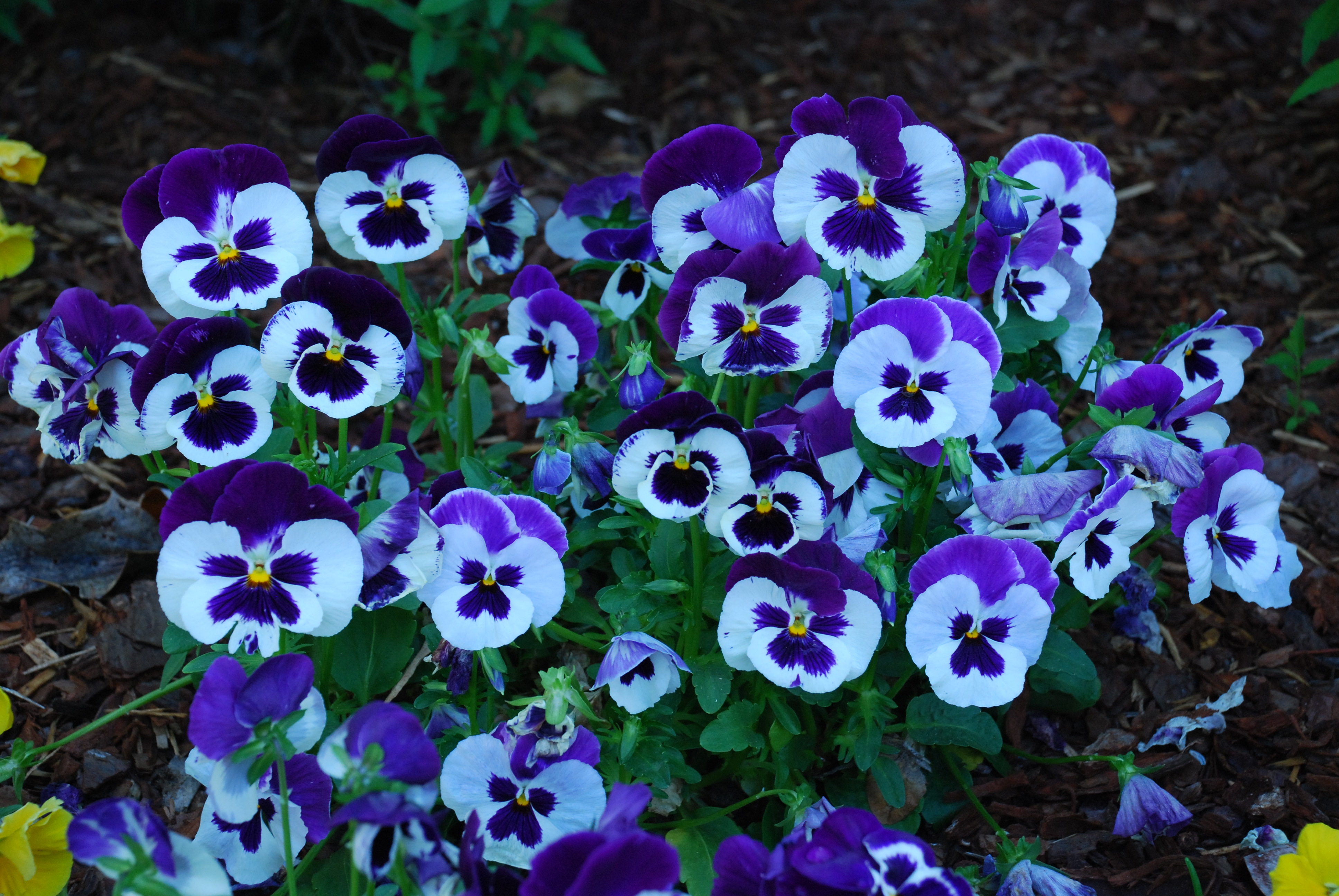
Across many areas of the Southern Appalachian region (USDA zones 6 and 7) snowfall has been plentiful this winter, but total rainfall is below normal. It takes 10 inches of snow to equal one inch of rainfall. Fall planted pansies and violas are now both hungry and thirsty. Provide them with a shot of fertilizer and water. […]
Posted in Featured, Fertilizing plants, Southern Appalachian Region, Violas, watering tips, Winter Garden Interest Comments Off on Revitalize Pansies NowOpening Show in February- The Witchhazels
Posted by Hugh on February 15th, 2011
First, not to confuse you, our North American native witchhazel (Hamamelis virginiana) blooms in the fall. Our native vernal witchhazel (H. vernalis) has been flowering for the past few weeks. In February, the showiest witchhazels are opening now – species from China, Korea and Japan. Two of the very best are a Chinese species/cultivar called […]
Posted in acidic soil, Bees and other pollinators, Chinese witchhazel, Disease resistant, Fertilizing plants, Flowering, Garden Maintenance, Landscape ideas, mulching, Planting tips, Propagation (Cuttings), Pruning, Purchasing Plants, Southern Appalachian Region, Trees & Shrubs, Wildlife attractant, Winter flowering, winter hardiness Tags: Alberta spruce, Chinese witchhazel Comments Off on Opening Show in February- The WitchhazelsCrabapple Shopping List
Posted by Hugh on February 10th, 2011
For those of you tired of the monotony of Bradford pears, go shopping for ornamental crabapples (Malus spp.). Most crabapple cultivars mature into long-lived small flowering trees less than 20 feet in height at maturity. Most fit under utility lines. Worldwide, there are over 400 cultivars of crabapples in nursery commerce. Most are susceptibility to […]
Posted in Attracting birds, Bees and other pollinators, Crabapple, Disease resistant, Landscape ideas, Ornamental fruit, Propagation(grafting), Pruning, Purchasing Plants, Sanitation, Southern Appalachian Region, Spring flowering, Trees & Shrubs, Winter bark, Winter Garden Interest Comments Off on Crabapple Shopping ListThe Other Lenten Roses
Posted by Hugh on February 7th, 2011
In addition to the popular Oriental hellebore (H. x orientalis), four other species are hardy in the Southern Appalachian region (USDA hardiness zones 6 and 7). Christmas rose (H. niger) is the first lenten rose to bloom, often 4-6 weeks earlier if mild December weather permits. The 3 ½- inch flowers are large and showy, […]
Posted in alkaline soil, compost, Flowers, Lenten rose (Hellebore), mulching, Perennials, Shade Gardening, Southern Appalachian Region, watering tips, Winter Garden Interest, winter hardiness, Winter Protection Comments Off on The Other Lenten RosesLenten Roses Perk Up the February Garden
Posted by Hugh on February 2nd, 2011
Lenten roses or hellebores (Helleborus spp.) are long-lived perennials, often surviving in the same garden spot for many years. Four species of Lenten roses grow in the Southern Appalachian region (USDA hardiness zones 6 and 7). All thrive in shady garden recesses, exposed to as little as 3 – 4 hours of dappled sunlight. Numerous […]
Posted in alkaline soil, compost, Lenten rose (Hellebore), mulching, Perennials, Pruning, Shade Gardening, Southern Appalachian Region, watering tips, Winter Garden Interest Comments Off on Lenten Roses Perk Up the February GardenDisease-free Shrub Rose Trial–The Winners Are…
Posted by Hugh on January 30th, 2011
Blushing Knockout™ Over the past 10 years, the world of roses has witnessed a revolution with the popularity of the Knockout™ series of roses in gardens across the U.S. Over the past 5 years the University of Tennessee has been testing shrub roses in Poplarville, MS and two Tennessee locations. Dr. Mark Windham and his research team have […]
Posted in Disease resistant, shrub roses, Southern Appalachian Region Comments Off on Disease-free Shrub Rose Trial–The Winners Are…Re-Blooming Your Poinsettia: Winter thru Summer Care
Posted by Hugh on January 27th, 2011
Part III: By late January your poinsettia plant may look droopy and the leaves pale green. Some flowers (colorful bracts) and leaves may have dropped. To revive the plant and to program it to flower again next winter requires additional care from you starting now. Move the plant to an east or south exposure window, […]
Posted in Interior (house) Plants, plant nutrition, Poinsettia, Southern Appalachian Region, watering tips Comments Off on Re-Blooming Your Poinsettia: Winter thru Summer CareTwo Sensational New Oakleaf Hydrangeas
Posted by Hugh on January 24th, 2011
Oakleaf hydrangea (Hydrangea quercifolia) is a popular native shrub in the Southeastern U.S. (USDA hardiness zones 5 to 8). Two new compact forms of oakleaf hydrangea were recently introduced by the U.S. National Arboretum. In early summer, ‘Ruby Slippers’ is covered with 9-inch-long floral clusters that are held upright above the foliage. ‘Ruby Slippers’ grows […]


