
Plumleaf Azalea (Rhododendron prunifolium) From my garden here is a look today (July 28th) at plumleaf azalea (Rhododendron prunifolium). Plumleaf is an Alabama native, and its orangey red flowers has been growing in my east Tennessee garden for the past 15+ years. It is hardy to zone 5-b (- 15°F) which includes most of the mid-Atlantic and southern New England states. Plumleaf handles Southern […]
Archive for the ‘Trees & Shrubs’ Category
Native Plumleaf Azalea Blooms In The Heat Of Summer
Posted by Hugh on July 28th, 2011
 Posted in acidic soil, Azalea (deciduous), compost, Deciduous Azaleas, Disease resistant, Drought tolerant, Hummingbird, Native Plant, Plumleaf azalea, Pruning, Southern Appalachian Region, Summer flowering, Summer heat tolerant, Trees & Shrubs
  Comments Off on Native Plumleaf Azalea Blooms In The Heat Of Summer
Panicled Raintree Promises Showy Lantern Pods
Posted by Hugh on July 15th, 2011
Chinese flametree (Koelreuteria bipinnata) is also called bougainvillea raintree. This rare tree, available primarily from internet nursery commerce, deserves to be planted more. It has performed well in the Southern Appalachian region (USDA zones 6-b and 7) and is questionably hardy further north. Flametree is less popular in Southeastern landscapes than goldenrain tree (K.paniculata). Low branching […]
Posted in Chinese flametree, Invasive plant, Regional, Southern Appalachian Region, Summer flowering, Trees & Shrubs Comments Off on Panicled Raintree Promises Showy Lantern PodsSummer Blooming Oyama Magnolia
Posted by Hugh on July 10th, 2011
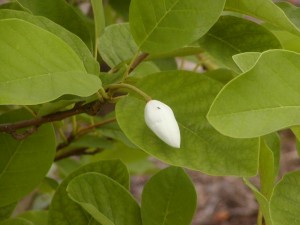
A friend on vacation sent me the attached photo from Wooster, Ohio. When I told him that it was Oyama magnolia (Magnolia sieboldii), he asked why gardeners are not growing it. Good question! Oyama magnolia is a 10-15 feet tall (and equal spread) deciduous tree or large shrub from eastern Asia. It prefers to grow […]
Posted in acidic soil, compost, Featured, Flowering, Large shrub, Magnolia, Magnolia sieboldii, mulching, Propagation (Cuttings), Pruning, Southern Appalachian Region, Spring flowering, Summer flowering, winter hardiness Comments Off on Summer Blooming Oyama MagnoliaGoldenrain Tree – A Golden Shower of Bloom
Posted by Hugh on July 1st, 2011
Goldenrain tree (Koelreuteria paniculata) is a medium sized landscape tree maturing to 30-40 feet in height and spread with rounded canopy. A native of China, Japan, and Korea, the tree is winter hardy in the Southern Appalachian region (USDA zones 6 and 7). Large panicles of dark yellow flowers set off a golden fireworks for your 4th of July celebration. Individual flowers barely measure […]
Posted in Disease resistant, Golden Raintree, Summer heat tolerant, Trees & Shrubs Comments Off on Goldenrain Tree – A Golden Shower of BloomBiltmore Estate and Gardens
Posted by Hugh on June 30th, 2011
I have visited the Biltmore Estate on several occasions, but my May visit this year was special. I had the opportunity to interview Parker Andes, Biltmore’s Director of Horticulture, and Bill Alexander, Landscape and Forest Historian. Few properties match the overall grandeur of Biltmore Estate and Gardens in Asheville, North Carolina. Biltmore is a historical perspective of America over […]
Posted in Azalea (deciduous), Azaleas (evergreen), Evergreens, Gardens to Visit, Mountain laurel (Kalmia), Peonies, Perennials, Rhododendrons, Roses, Southern Appalachian Region, Trees & Shrubs Comments Off on Biltmore Estate and GardensRosebay Rhododendron for Cool Shady Landscapes
Posted by Hugh on June 24th, 2011
Rosebay Rhododendron (Rhododendron maximum) grows in dense woodland shade along cool mountain streams and on moist, rocky slopes. This Southern Appalachian native is extremely winter hardy to -15° to -20° F. It is a late-season bloomer reaching its peak around late June. Rosebay grows large, 15 to 20 feet in height. On some sites it […]
Posted in acidic soil, acidify soil, Attracting birds, compost, mulching, Rhododendrons, Shade Gardening, Southern Appalachian Region, Summer flowering, watering evergreens Comments Off on Rosebay Rhododendron for Cool Shady LandscapesWhere Can I Buy That?
Posted by Hugh on June 20th, 2011
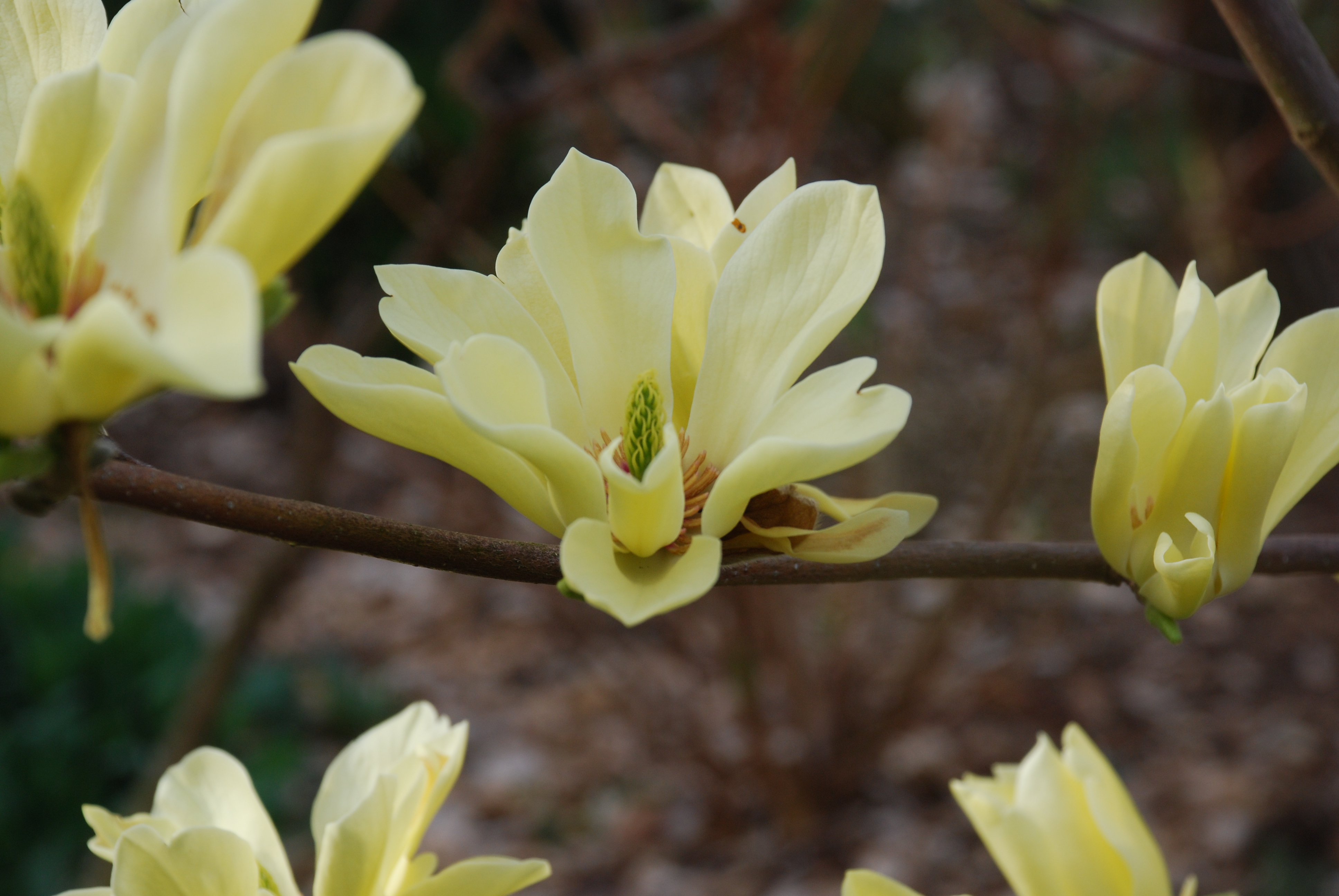
Let’s face it – rare and unusual plants are not likely for sale at your local garden center. Full service garden centers located in large metropolitan areas may sell one or two.The internet has become the best plant finding source. Some on-line purveyors may carry a rare item, but not sell it in large quantities. High sticker shock may chase you […]
Posted in Featured, Perennials, Purchasing Plants, Trees & Shrubs, Vine Comments Off on Where Can I Buy That?Summer Pruning of Oakleaf and Bigleaf Hydrangeas
Posted by Hugh on June 15th, 2011
Bigleaf or “mophead” hydrangeas (Hydrangea macrophylla) tend to get tall and leggy, and outgrow their garden space. Our native oakleaf hydrangeas (Hydrangea quercifolia) are pruned as blooms quality declines. Remove or “deadhead” all withered or faded flowers. Main pruning time for these two species is from mid-June thru mid-August. Mopheads may rebloom if they had […]
Posted in acidic soil, Attracting birds, Attracting Butterflies, Bees and other pollinators, Deciduous, Disease resistant, Drought tolerant, Fertilizing plants, Flower Arranging, Flower arrangments, Garden Maintenance, Hydrangea, Hydrangeas, Landscape ideas, mulching, Native Plant, Oakleaf hydrangea (H. quercifolia), Planting tips, Propagation (Cuttings), Propagation (layering), Pruning, Purchasing Plants, Shade Gardening, Soil drainage, Southern Appalachian Region, Spring flowering, Summer flowering, Summer heat tolerant, Trees & Shrubs, Uncategorized Comments Off on Summer Pruning of Oakleaf and Bigleaf HydrangeasBagworms Can Devastate Evergreens
Posted by Hugh on June 8th, 2011
Bagworms feed on more than 128 species of plants, including junipers, cedars, arborvitae and white pine. More than one year of severe defoliation will kill a formerly healthy specimen. Bagworms have one generation per year. Eggs usually hatch in mid to late May across the Southern Appalachian region (USDA zones 6 and 7). Upon hatching, […]
Posted in Bagworms, DWARF CONIFERS, Evergreens, Garden Problems, Pests, Southern Appalachian Region Comments Off on Bagworms Can Devastate EvergreensStewartia- A Tree for All Seasons
Posted by Hugh on June 1st, 2011
Japanese stewartia (Stewartia pseudocamellia) is a truly beautiful 20-30 foot small tree or multi-trunked shrub. Stewartia may be finicky to grow, but a great plant nonetheless. Although rarely seen in U.S. gardens, Japanese stewartia is the most commonly grown of the six stewartia species. All are winter hardy in the Southern Appalachian region (USDA zones 6 […]
Posted in acidic soil, compost, Disease resistant, Flowers, Pruning, Southern Appalachian Region, Stewartia pseudocamellia, Summer flowering, Summer heat tolerant, Trees & Shrubs, watering iris, winter hardiness Comments Off on Stewartia- A Tree for All Seasons


