
On hot clammy August days, towering 6-8 feet in height, there is Joe-Pye* weed (Eupatorium purpureum) to enjoy. It is visually hard to miss when driving along rural roads in the Southern Appalachian region (USDA zones 6 and 7). Joe-Pye’s flowering sends me a timely message that autumn is only six weeks away. For gardens the cultivar […]
Archive for the ‘Fertilizing plants’ Category
‘Gateway’ Joe-Pye Fits Most Gardens
Posted by Hugh on August 22nd, 2011
 Posted in Aggressive grower, Bee Favorite, Butterflies, Disease resistant, Eupatorium 'Gateway', Fertilizing plants, Native Plant, Perennials, Root suckering, Southern Appalachian Region, Summer flowering, Summer heat tolerant, watering tips
  Comments Off on ‘Gateway’ Joe-Pye Fits Most Gardens
‘Kim’s Knee High’ Coneflower For Small Gardens
Posted by Hugh on August 11th, 2011
We are in the midst of an Echinacea revolution. Purple coneflower (Echinacea purpurea) is a popular 5-6 foot tall native perennial commonly planted in meadow and butterfly gardens. Kim Hawkes, former owner of Niche Gardens Nursery in Chapel Hill, N.C. introduced compact growing ‘Kim’s Knee High’ a decade ago. It is still one of the finest cultivars. ‘Kim’s Knee High’ […]
Posted in Attracting birds, Bee Favorite, Butterflies, Coneflower (Echinacea purpurea), deadheading, Fertilizing plants, Hummingbird, Perennials, plant nutrition, Pruning, Southern Appalachian Region, Summer flowering, Summer heat tolerant, Uncategorized, Winter Garden Interest Comments Off on ‘Kim’s Knee High’ Coneflower For Small GardensA Canna Lily Revival
Posted by Hugh on July 30th, 2011
Depending on where you garden, Canna lily (Canna spp.) is a tropical-looking, herbaceous annual or perennial. Its colorful foliage and long blooming time leaves a huge visual impact. Canna is not reliably winter hardy in the Southern Appalachian region (USDA hardiness zones 6 and 7). […]
Posted in Canna lily, Canna lily, Fertilizing plants, Southern Appalachian Region, Summer flowering, Uncategorized, Virus diseases, water garden maintenance, watering tips, winter hardiness, winter injury Comments Off on A Canna Lily RevivalSummer Pruning of Oakleaf and Bigleaf Hydrangeas
Posted by Hugh on June 15th, 2011
Bigleaf or “mophead” hydrangeas (Hydrangea macrophylla) tend to get tall and leggy, and outgrow their garden space. Our native oakleaf hydrangeas (Hydrangea quercifolia) are pruned as blooms quality declines. Remove or “deadhead” all withered or faded flowers. Main pruning time for these two species is from mid-June thru mid-August. Mopheads may rebloom if they had […]
Posted in acidic soil, Attracting birds, Attracting Butterflies, Bees and other pollinators, Deciduous, Disease resistant, Drought tolerant, Fertilizing plants, Flower Arranging, Flower arrangments, Garden Maintenance, Hydrangea, Hydrangeas, Landscape ideas, mulching, Native Plant, Oakleaf hydrangea (H. quercifolia), Planting tips, Propagation (Cuttings), Propagation (layering), Pruning, Purchasing Plants, Shade Gardening, Soil drainage, Southern Appalachian Region, Spring flowering, Summer flowering, Summer heat tolerant, Trees & Shrubs, Uncategorized Comments Off on Summer Pruning of Oakleaf and Bigleaf HydrangeasCalliope™ Dark Red Geranium- One of the Best
Posted by Hugh on June 4th, 2011
Garden performance is very important. Calliope™ Dark Red geraniums have it!! Calliope geraniums are interspecific hybrids with zonal-type leaves and huge vibrant red flowers. Plant breeders crossed ivy geraniums (the kind commonly used as hanging baskets) and zonal geraniums (found growing in pots, window boxes, and as bedding plants). Calliope is a vigorous grower with a mounding to semi-trailing […]
Posted in Autumn flowering, deadheading, Fertilizing plants, Flowers, Geranium, Southern Appalachian Region, Spring flowering, Summer flowering, Summer heat tolerant, Uncategorized, watering tips Comments Off on Calliope™ Dark Red Geranium- One of the Best“Mary, Mary, How You Do Grow in My Garden”
Posted by Hugh on May 4th, 2011
‘My Mary’ is a hybrid deciduous azalea (R. ‘Nacoochee’ x R. austrinum) ending its flowering cycle in my spring garden. ‘My Mary’ has been a steady performer, averaging 4-5 feet in height in 10 years. Its clusters of bright yellow orange tubular flowers measure 2 1/2” across. Its early morning sweet fragrance is a gentle […]
Posted in acidify soil, Azalea (deciduous), compost, Deciduous Azaleas, Fertilizing plants, mulching, Southern Appalachian Region, Summer heat tolerant, Trees & Shrubs, Uncategorized, watering tips, Winter Protection Comments Off on “Mary, Mary, How You Do Grow in My Garden”Double Take™ Flowering Quinces
Posted by Hugh on April 8th, 2011
Photo credit: Dr. Tom Ranney, NCSU Research Horticulturist Flowering quince (Chaenomeles spp) is an early spring flowering shrub, treasured for its brightly colored blooms (USDA hardiness zones 5-9). Old fashioned quince shrubs produced small amounts of fruits which were gathered and prepared into yummy jelly in the autumn kitchen. These often large 10-12 foot tall shrubs produced small sharp […]
Posted in Bee Favorite, compact shrub, Fertilizing plants, Flowering, Flowering quince (Chaenomeles), Propagation (Cuttings), Soil drainage, Spring flowering, Summer heat tolerant, Trees & Shrubs, winter hardiness Comments Off on Double Take™ Flowering QuincesWinter Jasmine Rising
Posted by Hugh on March 1st, 2011
Is the worst of winter behind us? Winter jasmine (Jasminum nudiflorum) is often confused with forsythia shrubs which bloom 3-4 weeks later in the spring. This hardy winter blooming vine from China frequently blooms in late February and March when daytime temperatures climb into the mid-50s for a week or more. Evening chilling temps down into the […]
Revitalize Pansies Now
Posted by Hugh on February 18th, 2011
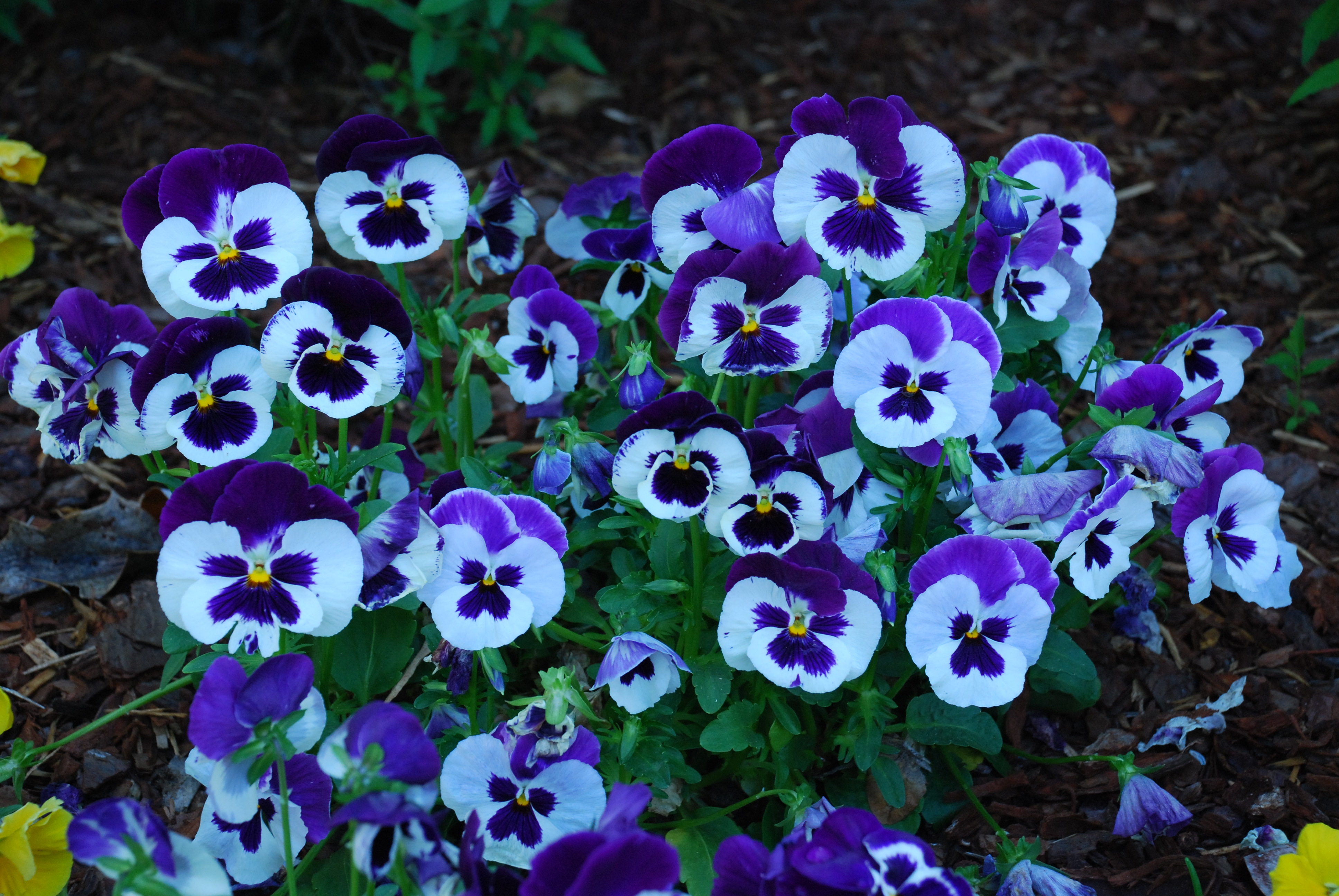
Across many areas of the Southern Appalachian region (USDA zones 6 and 7) snowfall has been plentiful this winter, but total rainfall is below normal. It takes 10 inches of snow to equal one inch of rainfall. Fall planted pansies and violas are now both hungry and thirsty. Provide them with a shot of fertilizer and water. […]
Posted in Featured, Fertilizing plants, Southern Appalachian Region, Violas, watering tips, Winter Garden Interest Comments Off on Revitalize Pansies NowOpening Show in February- The Witchhazels
Posted by Hugh on February 15th, 2011
First, not to confuse you, our North American native witchhazel (Hamamelis virginiana) blooms in the fall. Our native vernal witchhazel (H. vernalis) has been flowering for the past few weeks. In February, the showiest witchhazels are opening now – species from China, Korea and Japan. Two of the very best are a Chinese species/cultivar called […]
Posted in acidic soil, Bees and other pollinators, Chinese witchhazel, Disease resistant, Fertilizing plants, Flowering, Garden Maintenance, Landscape ideas, mulching, Planting tips, Propagation (Cuttings), Pruning, Purchasing Plants, Southern Appalachian Region, Trees & Shrubs, Wildlife attractant, Winter flowering, winter hardiness  Tags: Alberta spruce, Chinese witchhazel Comments Off on Opening Show in February- The Witchhazels


