
The hibiscus (mallow) sawfly is a devastating pest of hibiscus (Hibiscus moscheutos) and hollyhock (Alcea rosea). The adult sawflies are small, barely a quarter inch long. They are mostly black, except for a yellowish brown spot on their thorax, and their smoky wings. The pale green larvae mature to 1/2 inch in length. The larvae […]
Archive for the ‘Perennials’ Category
Hibiscus Sawfly Devastates Plant Foliage
Posted by Hugh on August 3rd, 2011
 Posted in Hibiscus (mallow) sawfly, Hibiscus moscheutos, Hollyhock (Alcea), Perennials, Southern Appalachian Region
  Comments Off on Hibiscus Sawfly Devastates Plant Foliage
A Canna Lily Revival
Posted by Hugh on July 30th, 2011
Depending on where you garden, Canna lily (Canna spp.) is a tropical-looking, herbaceous annual or perennial. Its colorful foliage and long blooming time leaves a huge visual impact. Canna is not reliably winter hardy in the Southern Appalachian region (USDA hardiness zones 6 and 7). […]
Posted in Canna lily, Canna lily, Fertilizing plants, Southern Appalachian Region, Summer flowering, Uncategorized, Virus diseases, water garden maintenance, watering tips, winter hardiness, winter injury Comments Off on A Canna Lily RevivalMove Over AJ, Here Comes T-Rex
Posted by Hugh on July 26th, 2011
For nearly half a century, ‘Autumn Joy’ has been the leading “stonecrop” or “live forever” sedum cultivar planted. More than once I’ve heard this saying: “if Autumn Joy won’t grow in your garden, you should try another hobby. ‘T-Rex’ is a terrific new hybrid and ‘Autumn Joy’ is one of its parents. ‘T Rex’ has […]
Torch Lily Has Long Bloom Life
Posted by Hugh on July 23rd, 2011
Torch lily (Kniphofia spp.), aka “red hot poker”, is an easy to grow long-lived perennial from South Africa. Its colorful floral spike (and a little imagination) resembles a fiery torch or sizzling poker, visited often by hummingbirds, bees and butterflies. New cultivars are mostly hybrids and vary in plant height and flower color. Starting in […]
Posted in Attracting birds, Bee Favorite, Butterflies, deadheading, Disease resistant, Hummingbird, Perennials, Pruning, Southern Appalachian Region, Spring flowering, Summer flowering, Summer heat tolerant, Torch lily (red hot poker), Uncategorized, watering tips, winter hardiness Comments Off on Torch Lily Has Long Bloom LifeTo Grow Crocosmia Or Not?
Posted by Hugh on July 19th, 2011
This South African native, also called ‘montbretia”, thrives in full sun in well-drained average garden soil. A richly composted soil tends to boost foliage size and bloom count, but often weakens bloom stems, requiring some staking. Crocosmia may struggle in a wet soggy wintry soil. Established plants are exceptionally summer heat and drought tolerant. Brightly colored […]
Posted in Crocosmia (Montbretia), Mites, Perennials, plant nutrition, Southern Appalachian Region, Summer flowering, Summer heat tolerant, Winter Protection Comments Off on To Grow Crocosmia Or Not?Tough And Reliable Chinese Astilbes
Posted by Hugh on July 4th, 2011
Astilbes (also called “false spireas”) are favorite late spring flowering perennials. The Astilbe x arendsii hybrids from Germany are most popular and available at local garden centers. Astilbes are very hardy in the Southern Appalachian region (USDA zones 6 and 7). If low maintenance is your goal, try Chinese astilbe (Astilbe chinensis var tacquetii). Their […]
Posted in Astilbe (false spirea), Flowers, Perennials, Southern Appalachian Region, Spring flowering, Summer flowering, watering tips Comments Off on Tough And Reliable Chinese AstilbesBiltmore Estate and Gardens
Posted by Hugh on June 30th, 2011
I have visited the Biltmore Estate on several occasions, but my May visit this year was special. I had the opportunity to interview Parker Andes, Biltmore’s Director of Horticulture, and Bill Alexander, Landscape and Forest Historian. Few properties match the overall grandeur of Biltmore Estate and Gardens in Asheville, North Carolina. Biltmore is a historical perspective of America over […]
Posted in Azalea (deciduous), Azaleas (evergreen), Evergreens, Gardens to Visit, Mountain laurel (Kalmia), Peonies, Perennials, Rhododendrons, Roses, Southern Appalachian Region, Trees & Shrubs Comments Off on Biltmore Estate and GardensWhere Can I Buy That?
Posted by Hugh on June 20th, 2011
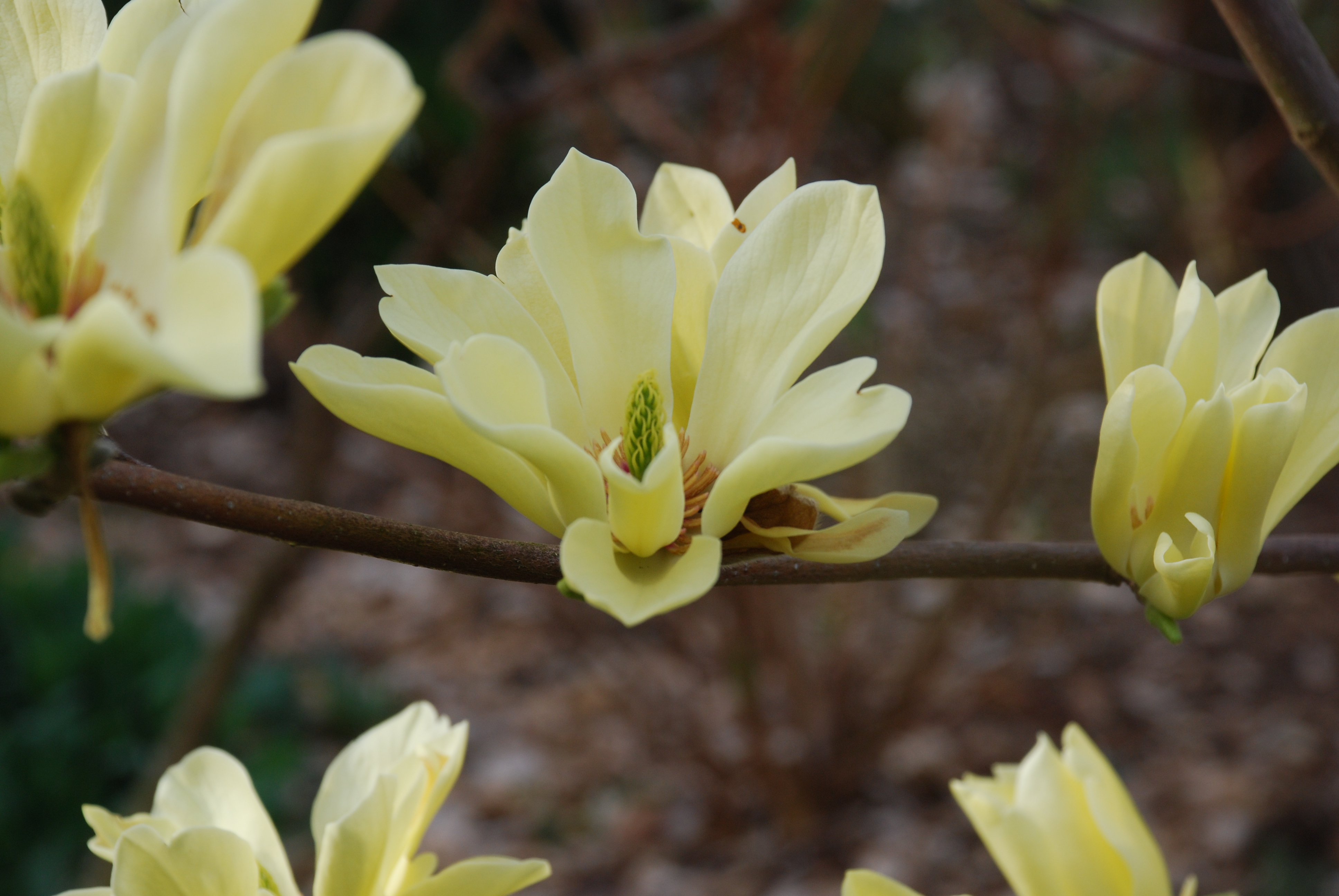
Let’s face it – rare and unusual plants are not likely for sale at your local garden center. Full service garden centers located in large metropolitan areas may sell one or two.The internet has become the best plant finding source. Some on-line purveyors may carry a rare item, but not sell it in large quantities. High sticker shock may chase you […]
Posted in Featured, Perennials, Purchasing Plants, Trees & Shrubs, Vine Comments Off on Where Can I Buy That?Flaming ‘Fireball’ Hibiscus Quite A Summer Show
Posted by Hugh on June 18th, 2011
‘Fireball’ hibiscus (Hibiscus x moscheutos ‘Fireball’) is a vigorous hardy perennial with burgundy tinted cutleaf foliage and huge 10-12 inch clear red flowers from mid-summer to late summer. Plant height is 4 – 5 feet and 2 – 3 feet in width. A strikingly beautiful plant, ‘Fireball’ thrives on heat and humidity. It wants full […]
Posted in compost, Flowers, Hardy hibiscus, Hibiscus moscheutos, Perennials, plant nutrition, Southern Appalachian Region, Summer flowering, watering tips Comments Off on Flaming ‘Fireball’ Hibiscus Quite A Summer ShowLight a Candle in Your Garden
Posted by Hugh on May 1st, 2011
Speedwells (Veronica spp.) are long-blooming, easy-care perennials. Speedwells are outstanding for their color rich floral candles (spikes). The candle-like flowers rise like sentinels in the late spring-summer garden and attract lots of butterflies and bees. The small individual 5- pedaled blossoms range in colors from white, pink, blue, and several shades of purple. The floral spikes […]


