Superior ‘Wolf Eyes’ Kousa Dogwood

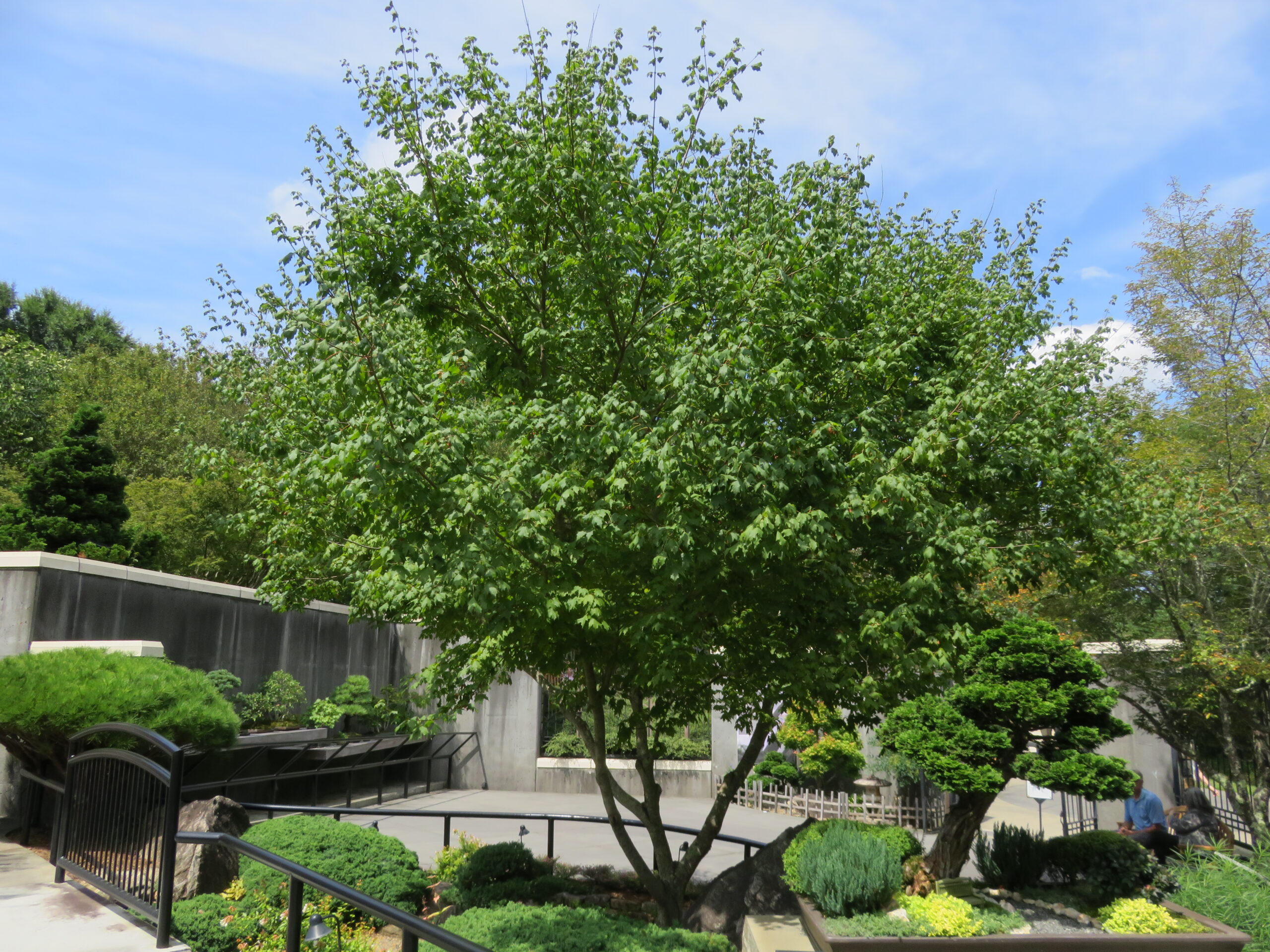
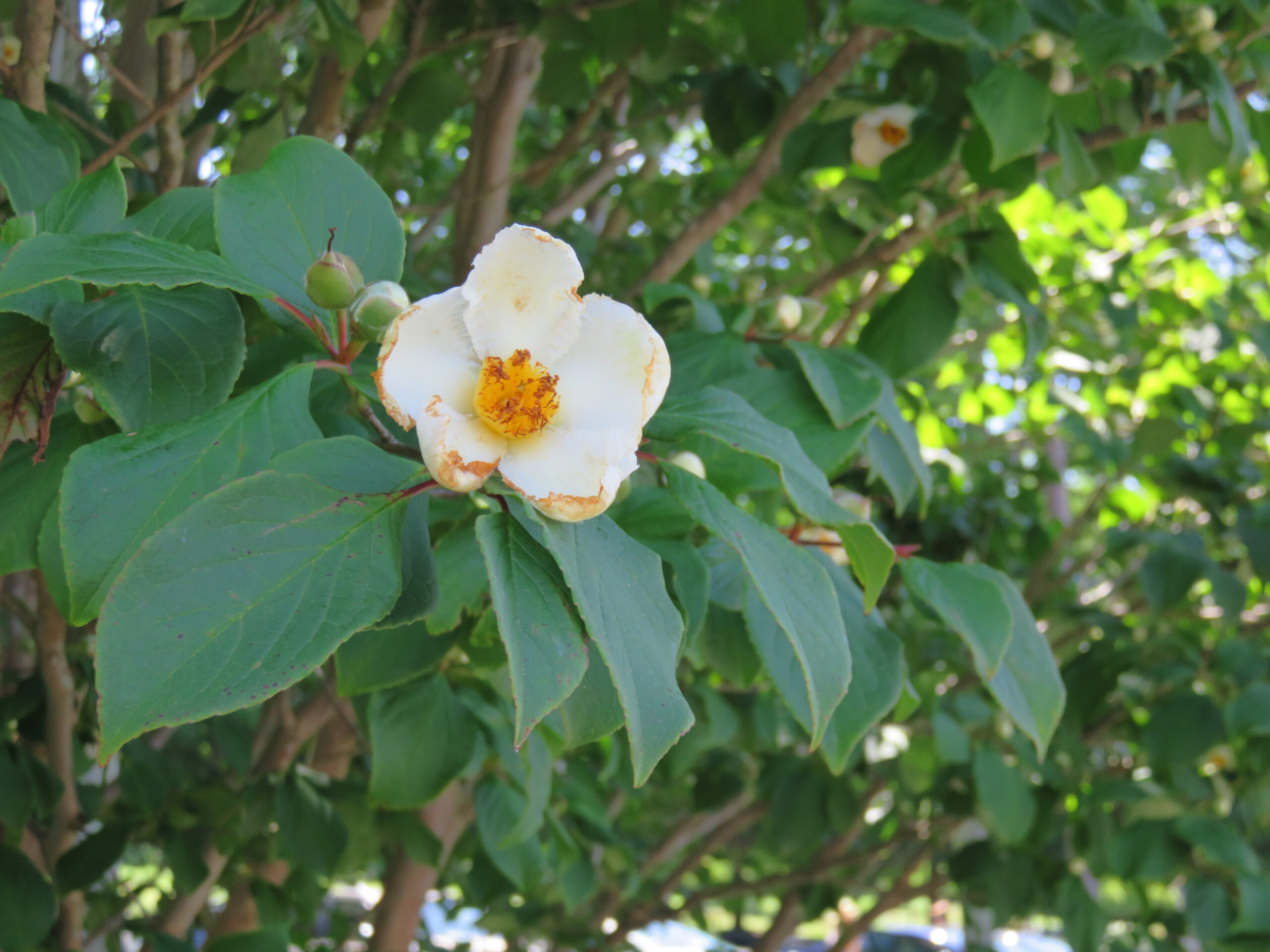
Kousa dogwood is indigenous to eastern Asia (Korea, China, and Japan) (USDA hardiness zones 5 – 8). ‘Wolf Eyes’ Kousa dogwood is an exceptional small landscape tree with variegated leaf color. Tree grows 15 – 20 feet tall and 20 feet wide. Hundreds of cream and green flowers appear in spring. Its narrow leaves are light green with creamy white margins. In mid- spring in Tennessee, this superior selection is covered with beautiful white flowers for about 3 weeks.

‘Wolf Eyes’ dogwood at Biltmore Estates, Asheville, NC

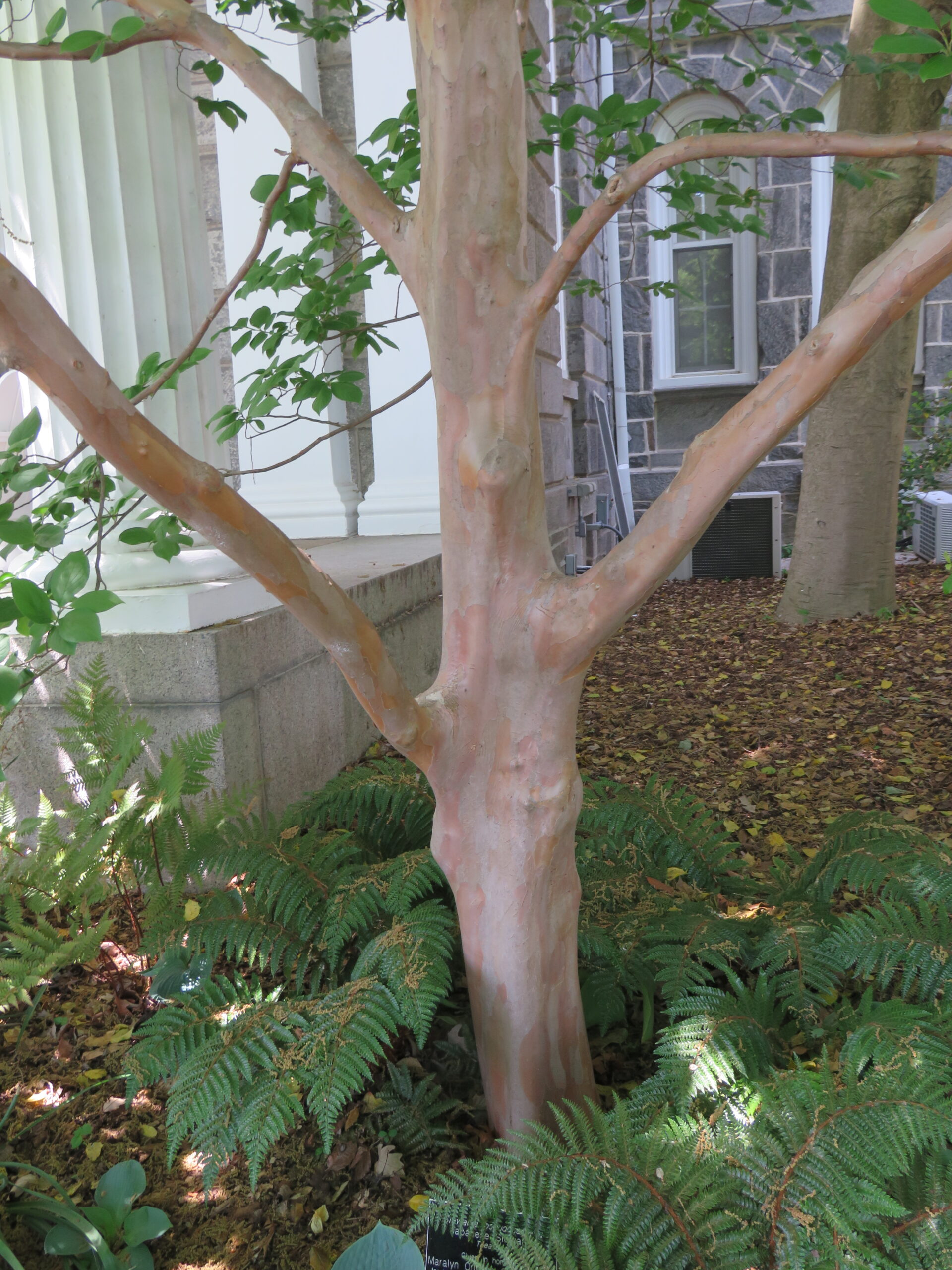
This slow-growing tree touts showy, scorch-free, ivory-edged foliage. Wolf Eyes may reach 10-15 feet tall in its first 10 years after planting. One of the finest variegated dogwoods, its intense leaf variegation may mask many of the white blooms. Bright-red edible strawberry-like fruits follow later in the summer which sought after by birds. Fall foliage on ‘Wolf Eyes’ finishes with a unique pink and red color. Leaves drop by mid-autumn to reveal the tree’s exquisite exfoliating bark. Its mottled patchy bark becomes more exquisite as the tree matures.

Kousa dogwoods are low-maintenance trees and the addition of Wolf Eyes to your landscape will be a great purchase. It grows well with partial to full sun along with adequate watering during unusual dry summer spells. It performs well in mildly acidic, compost-amended, well-drained soil. Annual spring feeding with a slow-release fertilizer is recommended. Compared to other kousa dogwood varieties, Wolf Eyes dogwood demonstrates superior verticillium wilt disease resistance.

Wonderful leaf variegation

Wolf Eyes dogwood has a compact habit and is an ideal fit in a small suburban landscape or within a garden patio. This cultivar is less susceptible to burning (scorch) than other variegated species. Wolf Eyes dogwood is not commonly sold at local garden shops but may be special ordered for spring delivery. Most big box stores do not offer this service.

Young kousa dogwoods may require light pruning in late winter, primarily to snip off lower unwanted limbs or tiny dead branches. Keep an eye out for diseases like dogwood anthracnose and powdery mildew. Otherwise, tree maintenance is minimal to none.

Golden Shadow Dogwood

Alternate leaf dogwood (Cornus alternifolia), aka Pagoda dogwood, is a small native deciduous tree or large multi-stemmed shrub (USDA hardiness zones 3-8). This U.S. native species is indigenous to central and eastern Canada and central and the eastern and central areas of the U.S.

Pagoda dogwood typically grows 15-25 feet high with distinctive tiered/layered horizontal branching. The parallel horizontal branching creates a layered tiered look, a term called “sympodial branching”. Branches and leaves are arranged alternately, a unique trait found in only one other dogwood species, giant dogwood (C. controversa).

Golden Shadows® is a wonderful pagoda dogwood cultivar noted for its distinctive color and elegant horizontal habit. Leaves are gloriously variegated — bright yellow with a bright green splotch in the leaf center. Occasionally, leaves may burn, particularly in full sun; leaf colors may fade under too much shade.

Small, fragrant, yellowish-white flowers bloom in flattened cymes (each to 2 1/2″ across) in late spring (May-June). Flowers give way to bluish-black fruits (drupes) on red stalks that ripen in late summer. Elliptic-ovate, medium green leaves, up to 3-5” long, turn reddish-purple often tinted yellow or green in fall. Bluish-black drupe fruits develop in mid-summer on orangish-red stems

Pagoda dogwood is best grown in part-day sun, preferably in the morning hours. Leaves of this shade dogwood” can become sunscald. This large shrub/ small tree prefers acidic, rich loamy, moist, and well-drained soils. It has a fibrous, spreading root system and prefers a site where its shallow root zone will be cool. Don’t forget to apply 2-3 inches of mulch at the start of spring. 

In most years alternate-leaf dogwood avoids serious diseases or insect issues.  However, be observant of septoria leaf spot, twig and leaf blights, root rot and canker that may lead to early defoliation in autumn. Scale, leaf miner and borers are occasional insect pests. Protect against wind and ice damage and tree roots may not tolerate salt injury.

Plant as a specimen or in small groupings on residential property around shady decks and patios. Utilize in shade borders, woodland gardens, and naturalized areas.

Horizontal branching of ‘Golden Shadow’ dogwood

Pagoda dogwood is a wonderful native plant with four-season interest. Butterflies, birds, and small mammals are attracted to this shrub, and this dogwood species is also moderately deer resistant. Utilize in your home garden as a specimen plant, shrub border, or in naturalized areas.

Winter sympodial branching of Pagoda dogwood

Most garden centers do not offer this shrub/tree for sale. Online nurseries do advertise it. Proven Winners (PW) does list it.

A Look At Pampas Grass

Pampas grass (Cortaderia selloana)

Pampas grass (Cortaderia selloana) is a tough, tall-growing grass that forms dense, substantial clumps (tussocks) featuring arching, finely serrated, narrow green leaves that are topped in fall by huge, feathery, silvery white plumes. First introduced into the U. S. in 1848, this giant ornamental grass is indigenous to southern South America.

It has been a popular ornamental grass in southern and western parts of the U.S. (USDA hardiness zones 7-11).  Pampas grass forms a dense grassy mound, 6-12 feet tall (includes the plume) and 6-10 feet wide. Blades are slim and weeping that can easily reach over a yard (3 feet) or more in length. The showiest part of this grass is the tall silvery-white, feather-like inflorescences (plumes) which are soft to the touch and are an accent feature that stand tall in the landscape.

Cortaderia selloana ‘Aureolineata’

Locate clumps on garden sites capturing 6 or more hours of direct sunlight daily. This aggressive warm season grass is tolerant to a wide range of soils, coastal and sandy conditions, and is highly salt tolerant. Pampas grass is also exceptionally drought tolerant. It is planted at the beach, city parks or in your neighbor’s yard. The big feathery plumes sway with a passing breeze.

Cutback tussocks in early spring. Use a good pair of lopper shears and wear protective clothing for bodily safety to prevent cuts and scratches from the sharp grass blades.

Pampas grass has no serious insect or disease problems and is highly resistant to deer grazing. It may invasively self-seed in locales with warm winters. Pampas grass varieties are generally sold at full-service garden centers in zones 7-11 as well as e-commerce nurseries.
Its large flower plumes are use in dried arrangements. Silvery white plumes (sometimes with traces of pink) are more impressive on female plants than on male plants. A few of the varieties currently available include:

‘Gold Band’- compact, 4-6 feet tall, with gold-edged blades

‘Pumila’- dwarf variety, 4–5 feet in height. Variable yellow, white, or ivory plumes. 

‘Rosea’ – called pink pampas for its pink plumes, 7-8 feet tall

‘White Stripe’- lovely, variegated foliage but not as showy in flower

‘Aureolineata’- grows 4-6 ft tall and wide; leaf edges with gold bands (zones 8-10)

Trade show display of new dwarf (2 ft. tall) variety named Tiny Pampa™

Baker’s Dozen Of My Favorite Redbuds

Flame Thrower® Redbud

Redbuds (Cercis canadensis) are small flowering landscape tree. Most varieties grow up to 20 to 30 feet tall and 20 to 35 feet wide, but there are a number of compact patio forms. It is generally a small understory tree that is often found growing beneath taller trees.

Redbuds may tolerate full sun to part shade, best in 5-6 hours of morning/early afternoon sunlight, and moderate moist, well-drained soil. Mulch to preserve soil moisture and guard against weeds Redbuds do not tolerate summer heat or dry soils. It does not tolerate root disturbance, so plants should be placed in their permanent positions as soon as possible and should be kept well-watered until established.

Spring foliage of ‘Carolina Sweetheart’ Redbud

Branches may break under extremely heavy snow loads. Regular watering, annual fertilization, and pruning out dead branches are highly recommended. Early spring flowers attract bees and butterflies. Redbuds are moderately resistant to browsing. Unless otherwise noted, cultivars listed below do well in USDA Hardiness Zones 5 to 9.

Three small patio types are listed. Weeping forms and those with zig zag branching is also available. Modern day redbuds are available in green heart-shape leaves but red, pink, orange, and golden yellow leaf forms are also available along with variegated foliage are also available.

Summer foliage of Ruby Falls® redbud

Thirteen (13) of my favorite redbud cultivars:

  1. Ace of Hearts – vibrant rose-purple flowers; compact grower 10-12’ high x 12-15’ wide; patio type.
  2. Alley Cat – magenta flowers; deep green variegated foliage splashed with white; 20-30’ high x 25-35’ wide
  3. Carolina Sweetheart – pink flowers followed by a foliage range of color combinations of purple, pink, green, and white; 20-30’ high x 30’ wide.
  4. Forest Pansy – rose-purple pea-like flowers in early spring; leguminous dry seed pods in the fall; 20-30’ high x 25-35’ wide.
  5. Appalachian Red – stunning deep red-purple flowers; 20-30’ high x 20-30’ wide.
  6. Lavender Twist (‘Covey’) – unique weeping habit with twisted branches plus lavender pink blooms; 5-6′ high x 6-8′ wide; patio type (Zone 6-9).
  7. Pink Pom Poms – double reddish-purple sterile female flowers in the spring before leaf-out; (f. texensis type) with smaller heart-shaped thick glossy leaves; 20′ high x 20′ wide; seedless (Zones 6-9).
  8. Rising Sun™ – new spring leaves emerge golden-orange mature to lime green; 8-12’ high x 6-8’ wide; foliage does not burn compared to some golden leaf cultivars.
  9. Royal White – white flowers in early spring; 20′ – 30′ high x 15′ – 25′ wide; compact tree
  10. Ruby Fallsred-purple flowers in early spring; 5-8′ high x 6-8 feet wide; compact weeping; patio type.
  11. Tennessee Pink – clear pink flowers (purple coloration found in most of the redbuds is absent). typically matures as a single trunk tree to 20′ high x 20′ wide. clusters of tiny, pink, pea-like flowers.
  12. Flame Thrower® – light-pink spring flowers followed by an ever-changing colorful foliage array into late summer; starts with burgundy colored foliage which fades to yellow and later to green; 15-20′ high x 15-20′ wide. (Zones 5-9).
  13. Zig Zag® – striking zig-zag branches, deep fuchsia spring flowers, and heart shaped foliage that turns orange in fall; 20’ high x 25-28’ wide.
‘Forest Pansy’ redbud summer foliage

Rosebay Rhododendron

Rosebay rhododendrons at Biltmore Estates, Asheville, NC

Luxuriant and bold, rosebay rhododendron (Rhododendron maximum) is a stunning broad-leaved evergreen for a large garden or naturalized in the woodland landscape. This multi-stemmed, upright spreading shrub typically grows 8 to 15 feet tall… but can reach to 30 feet in Appalachian Mountains where it is native. In early summer, mature branches produce large floral clusters or trusses, with up to 25 white to pale pink flowers. Leaves are 4 – 8 inches long, (USDA hardiness zones 3-7).

Site selection is very important. Rosebay rhododendrons thrive in acidic, humus -rich, moist, well-drained soils and in part shade. These large shrubs tolerate almost full shade. In zone 7 rosebay rhododendrons thrive in cooler mountain landscapes and languish on urban sites. Roots prefer to be cool in the hot summer periods; leaves may wilt and turn off color during periods of hot dry weather.

Good soil drainage is an absolute must. Poor drainage or “wet feet” inevitably leads to root rot problems such as Pythium, Phytophthora and Rhizoctonia soil fungi. On heavy clay sites, plant rosebay rhododendrons on sloping ground or in raised beds/plantings. Rhododendrons also benefit by mulching with wood chips, bark or pine needles which aid in soil moisture retention and keeping the ground cool.

Feed with an acidifying fertilizer such as Hollytone™ or water-soluble product like Miracid™ soils according to package directions. Plant these tall evergreen shrubs in a sheltered location away from strong drying wintry winds.

All parts of this plant are highly toxic if ingested. It partners well with native woodland favorites such as Christmas fern (Polystichum acrostichoides), pinxterbloom azalea (Rhododendron periclymenoides), columbine (Aquilegia canadensis), foamflower (Tiarella cordifolia), Hairy alumroot (Heuchera villosa), bellworts (Uvularia spp.), and wild ginger (Asarum canadense).

Three of the most common cultivars of Rosebay rhododendron include:

Var. album: White flowers

Var. purpureum: Deep pink to purple flowers

Var. roseum: Light pink flowers on reddish stems

Rosebay Rhododendrons are not commonly sold at box stores. However, plants are available at many Northeast and Midwest full-service garden centers as well as at e-commerce nurseries in USDA hardiness zones 3-7.

List Of Messy Trees To Avoid

When purchasing trees and shrubs for their yard, many gardeners should avoid species that drop lots of litter (fruits and/or leaves) all spring and summer long. Landscape trees, among them crabapples, mulberries and Chinese (kousa) dogwoods produce fleshy or pulpy fruits that mess lawns, walkways and stained & sticky parked cars. Many, not all, are non-native and foraging birds and other wildlife are not interested in them for their food supply.

Foul Smelling Odor ginkgo fruits

Some plants are split into male and female, with the male flowers producing pollen and no fruits. Over the years these species are begun to dominate our yards and gardens. Ginkgo is one such example. Male ginkgoes produce no fruits because nursery producers sell grafted fruitless male clones. Ginkgoes produce foul smelling apricot looking fruits. When the ripened fruits fall on sidewalks, the area around them reeks with a terrible smell.

Crabapples (Malus spp.) hail from Eastern Europe and Asia. Small, fruited forms, 5/8ths inches or less in diameter, are consumed in late fall and winter by many bird species when natural food sources are sparse. Particularly avoid planting large-fruited cultivars.

Kousa dogwood (Cornus kousa) is a lovely small flowering tree from China where the orangey-red fruits are consumed by monkeys. Most North American birds don’t eat them.

Hackberry or sugarberry (Celtis spp.) drops loads of tiny black berries to litter lawns and walkways.

Fleshy fruits of kousa dogwood in late summer

Mulberries (Morus spp.) produce soft pulpy fruits that stain sidewalks.

Buckeyes (Aesculus spp.), Walnuts (Juglans spp.), most oaks (Quercus spp.) are nut-producing trees and shrubs.

Ginkgo / maidenhair tree (Ginkgo biloba) – female trees produce messy and odorous apricot-like fruits that will also slicken walkways, making them impassable. Many large towns and cities have banned the selling and planting of female ginkgo trees.

Norway spruce (Picea abies) and White Pine (Pinus strobus) bear large cones that are litter problems on lawns and gardens.

Large cones of Norway Spruce

Sycamores (plane trees) (Platanus spp.) and Sweetgum (Liquidambar styraciflua) are the “Gumball Trees” that are a nuisance to foot traffic. Mowers with catch the dry gumball fruits and discharge them through a mower to break windows or dent metal siding.

Want More? How about pecan, northern Catalpa, pecan, cottonwood, hackberry, Kentucky coffeetree (female), silver maple, weeping willow, Southern magnolia, China Fir. These tree species drop loads of leaves, twigs, pollen, and fruits in your yard and driveway at any time.

Sycamore “balls”

Stachyurus – Early Spring Delight

Late March blooming Stachyurus praecox in Duke Gardens deciduous woodlands

Stachyurus (Stachyurus praecox) is a deciduous woodland shrub that makes an eye-catching statement from early to mid-spring when daffodils are in bloom. Flowers appear before the leaves emerge. (USDA 6-8). Floral buds form in autumn and overwinter on the shrub in pendant, catkin-like racemes that hang from the leaf axils. This distinctive chains of yellow flowers are truly stunning. Each 4-inch-long flowering raceme has 10-20 tiny, bell-shaped, 4-petaled, yellow-green flowers that measure 3/8 inches across.

A native of Japan, stachyurus is sometimes called “catkin” and “spiketail”, referring to its dangling flowers. Shrub grows 4 -10 feet tall with an open, upright, arching-spreading habit. During the growing season, attractive red-brown branches are clothed (somewhat sparsely) with ovate, tapered, serrate, medium green leaves (to 7” long). Foliage may turn rosy-red and yellow in fall.

Stachyurus is best grown in humus-rich, acidic, moist, well-drained soil and in morning sun to full-day dappled shade. Flowers bloom in late March-April when the threat of cold injury is ever present. Site selection is most important to shelter from cold, drying winter winds. Otherwise, flower buds may be injured by frost.

The nectar-filled flowers attract early foraging bees and make great cut flowers. Foliage may turn rosy red and yellow in fall. Generally rated as low maintenance, it requires little pruning or care. No serious disease or insect problems trouble stachyurus. The shrub flowers on old wood, so pruning should be done in early spring immediately after flowering. Remove flowering shoots to the base on mature plants. Deer resistance is questionable?

‘Carolina Parakeet’ Stachyurus spring foliage

Stachyurus is a plant collector’s gem and only sold at on-line specialty nurseries.

Cultivars / Varieties:

  • S. praecox ‘Carolina Parakeet’ – subtle, light green variegation in the center of leaves; incredible dripping 4” strings of oft-yellow blossoms and vibrant, rose blushed new leaves. Floral petioles hold its bright and vibrant red all season long.
  • S. praecox ‘Issai’ has racemes up to 12″ long and may have as many as 3 or 4 racemes at each node. 
  • S. praecox var. matsuzakii is a vase-shaped deciduous shrub reaching a mature height of 15 feet in height; sports pendulous yellow flowers and fall color is yellow to golden.
  • ‘Sterling Silver’ produces long yellow racemes of flowers, which “drip” from arching branches.
  • S. chinensis ‘Joy Forever’ – opens spring with bright variegated yellow serrated foliage that emerges from new pink-red stems. Each floral chains dangle is longer than those of S. praecox. Flowers open about 2 weeks later than those of S. praecox; less vulnerable to spring frost; grows 8-10 feet wide and 5-6 feet tall in a mound form.

Winter-Blooming Japanese Apricot

Japanese apricot (Prunus mume), aka Chinese plum, is a beautiful reminder that perhaps the worst of winter may now be behind us. On days barely above freezing, their cheery fragrant blossoms open, although rarely in great numbers. Cold nights may damage any open blossoms, but new buds will emerge in the next warmup. This small flowering tree is cold hardy (USDA hardiness zones 6-9).

‘Peggy Clark’ Japanese Flowering Apricot

A member of the Rosaceae or rose family, Japanese apricot is native to China and has an important tree in Chinese and Japanese culture over 1500 years. The tree does not prosper in hot or dry locations. Plant in a moist, well-drained soil, mulch as needed, and prune to maintain an open branched habit. Although not indigenous to Japan, it is grown extensively there and boasts up to 300 cultivars with white, pink, or red color shades in single, semi-double or double blossoms.

Japanese apricot forms a rounded to oval crown and grows usually 15 – 20 feet tall and equally as wide. From January through February, the tree displays beautiful, delicate, and fragrant pale pink flowers on bare branches and brightens up the long winter days. Plant in a full sun area of the garden, near decks and patios where you can visually enjoy the winter bloom from inside your warm home.

Green ovate shaped leaves emerge with a spring season warm up. Yellowish-green, fuzzy-skinned fruits appear and can be harvested during the summer. Unfortunately, fruit taste is sour to bitter.

Prunus mume prefers full sun to partial shade, moist, acidic, loamy soils. An ideal site is one that offers protection from winter cold that will injure the flowers. Japanese flowering apricot blooms occur on the previous year’s wood. Spring pruning after flowering is the best time. 

Their showy blossoms will brighten up a winter landscape when very few other trees are in bloom. Its cultivars include white, pink, rose, and red flowering in single and double forms. It is similar in habit and appearance to some of the smaller flowering cherries that bloom one to two months later in spring.

‘Bridal Veil’ (weeping form) at JC Raulston Arboretum in Raleigh, NC

Unfortunately, its availability at most U.S. garden centers is not plentiful. Instead, shop online at a specialty nursery. Five personal favorites include: ‘Peggy Clarke’ – double deep rose flowers; ‘Bridal Veil’ – pale pink flowers; ‘Kobai’ – red, semi-double flowers; ‘Josephine’ – light pink flowers; ‘W.B. Clarke’, a weeping selection, 10 -20 feet tall and wide, double pink flowers. Some white-flowering forms are also available.  

To enhance seasonal interest plant as a landscape specimen adjacent to a walkway, patio, or deck. Again, I emphasize that Japanese flowering apricot should be sited in a sunny protected location. Flowers emit a slight fragrance. Fruits are very tart to eat raw but can be processed into delicious jams and jellies.

Although a litany of several diseases and insect pests are listed for this tree, it tends to avoid most pest maladies that include aphids, scales, borers, spider mites, and tent caterpillars; diseases may include bacterial canker, and fruit brown rot. Fruit drop may become messy on lawn and paved areas. Leaves, stems, and seeds are toxic to dogs, cats, or horses if ingested.

Reddish bark of Prunus mume (ETSU Campus Arboretum in Johnson City, TN)

“Witchhazel” Winter Time

‘Diane’ (H. x intermedia) witchhazel at Winterthur Gardens in Delaware

Add flowering and fragrance to your winter garden. Witchhazels (Hamamelis spp.) are prized for their strap-shape petalled flowers which bloom mid- to late winter. Depending on species and cultivar, blooming begins in late January and many possess fragrant blooms. Witchhazels are medium to large deciduous shrubs, typically 12-20 feet tall. Foliage texture is somewhat coarse. (USDA hardiness zones 5-8).

‘Primavera’ witchhazel at Biltmore Estates in Asheville, NC

Branching tends to be upright, vase-shaped, with a spreading habit. Bright green 5–6-inch circular leaves appear weeks later in spring. An orangey-yellow to yellow fall color may vary from one year to the next. The first four winter-flowering witchhazel belong in the Chinese hybrid witchhazel (H. x intermedia) group:

1. ‘Jelene’– clusters of bright coppery orange flowers.

2. ‘Diane’ – sweetly fragrant coppery-red flowers.

3. ‘Primavera’ – bright yellow, spider-like flowers with narrow 3/8 to 5/8-inch-long petals.

4. ‘Arnold Promise’ – clusters of bright yellow strap-like flowers (to 1” long).

5. ‘Wisley Supreme’ (H. mollis) fragrant golden-yellow flowers.

‘Arnold Promise’ witchhazel at ETSU Arboretum in Johnson City, TN

Witchhazels make highly dependable shrubs that grow in average, medium moisture, well-drained, moderately acidic pH soils and in full- to 1/2-day sun. Flower numbers are greatest in full sun. Expect leaf scorch over prolonged summer dry periods. Shrubs have some tolerance for clay soils as long as drainage is good. Most witchhazel varieties are currently produced from cuttings. If grafted, promptly remove root suckers emerging from below the graft union. Prune in spring after flowering to manage shape and size.

Watch for Japanese beetles, gall aphids, scales, leafrollers. Also scout for powdery mildew and leaf spotting over the summer months. Disease and insect issues get rarely serious enough to warrant the use of pesticides. Witchhazels are also deer resistant, although occasional browsing is possible in locations with high populations.

In summary, witchhazels should be planted more for their superior winter flowering. Utilize them in the landscape as single specimens, shrub borders, for privacy screening, or tall hedges. Shrubs are mostly available for sale from on-line specialty nurseries.

FYI — Witchhazel collection at the Scott Arboretum at Swarthmore College in Pennsylvania numbers 58 cultivars.

Bloodroot In The Spring Garden

Colony Of Bloodroot in the early spring garden

Bloodroot (Sanguinaria canadensis) is a member of the poppy family Papaveraceae. This botanical family includes about 825 species, including bleeding hearts (Dicentra spp. and Lamprocapnos spectabilis), Corydalis, and opium poppy (Papaver). Bloodroot is native to the eastern half of North America continent from Canada south to Florida.

Bloodroot typically rises 6-10 inches tall and spreads over time to form large colonies on a deciduous woodland floor. Each flower stalk emerges in very early spring wrapped by one palmate, deeply scalloped, grayish-green, basal leaf. As the flower blooms, the leaf also unfurls. Each flower stalk produces a solitary, 2″ wide, 8-10 petaled, 1.5″ diameter, white flower with numerous yellow center stamens. Flowers open up in the morning sun and close at night. Individual flower life is short, usually only 1-2 days.

Leaves continue to grow in size and remain attractive until early to mid-summer when the plants go dormant. Over time, rhizomes branch out to form large colonies. Cutting leaves, stems, and roots exposes the bloody-looking sap that flows through every part of the plant.

Bloodroot is hardy in (USDA Hardiness Zones 3-8) and thrives in partial to full shade in early spring gardens. Grow bloodroot in a protected spot – even a mild breeze can knock the petals off the flowers. The ideal soil for bloodroot must be well-drained and fertile humus-rich soil with a pH of 5.5 to 6.5.

Flowers are pollinated by insects such as early native bees, honeybees, and flies. Additionally, the stamens will self-pollinate the stigmas if weather is rainy and too cold, or if pollinating insects are unavailable.

Morning floral beauty of Bloodroot in early spring garden

After successful pollination, seed capsules form, each pod packing 20 to 30 reddish black seeds that are dispersed in mid- to late spring. Attached to each seed is a fatty, protein-rich structure called an “elaiosome”. Ants are attracted to its sweetness and move bloodroot seeds back into their nests. Ants munch on the sweet elaiosomes and, later dispose of seeds, essentially sowing them in “ant dumps” that they have evacuated. Seeds germinate the following spring, and plants may start blooming within 2 years.

Propagation of bloodroot is from seed, by root division, or via transplanting. When handling any part of this plant, wear gloves and wash your hands afterwards. Collect seed from populations on your property or by permission from the landowner. Stay off national park lands.

Along with pigmented sap, bloodroot contains sanguinarine: an anti-inflammatory and antiseptic alkaloid. Historically, bloodroot has been used in dye-making, medicine, and dental hygiene. Native American tribes utilized the plant to dye fabric, baskets, and their skin. Medicinally, bloodroot has been used to treat the following maladies: rheumatism, fever, pain, wounds, skin infections, insomnia, ringworm, ulcers, and coughs. Keep bloodroot plants away from pets and livestock.

Cultivar Selection– Select the standard species or a double-petaled cultivar. Bloodroot won the Royal Horticultural Society Award of Garden Merit in 1993.